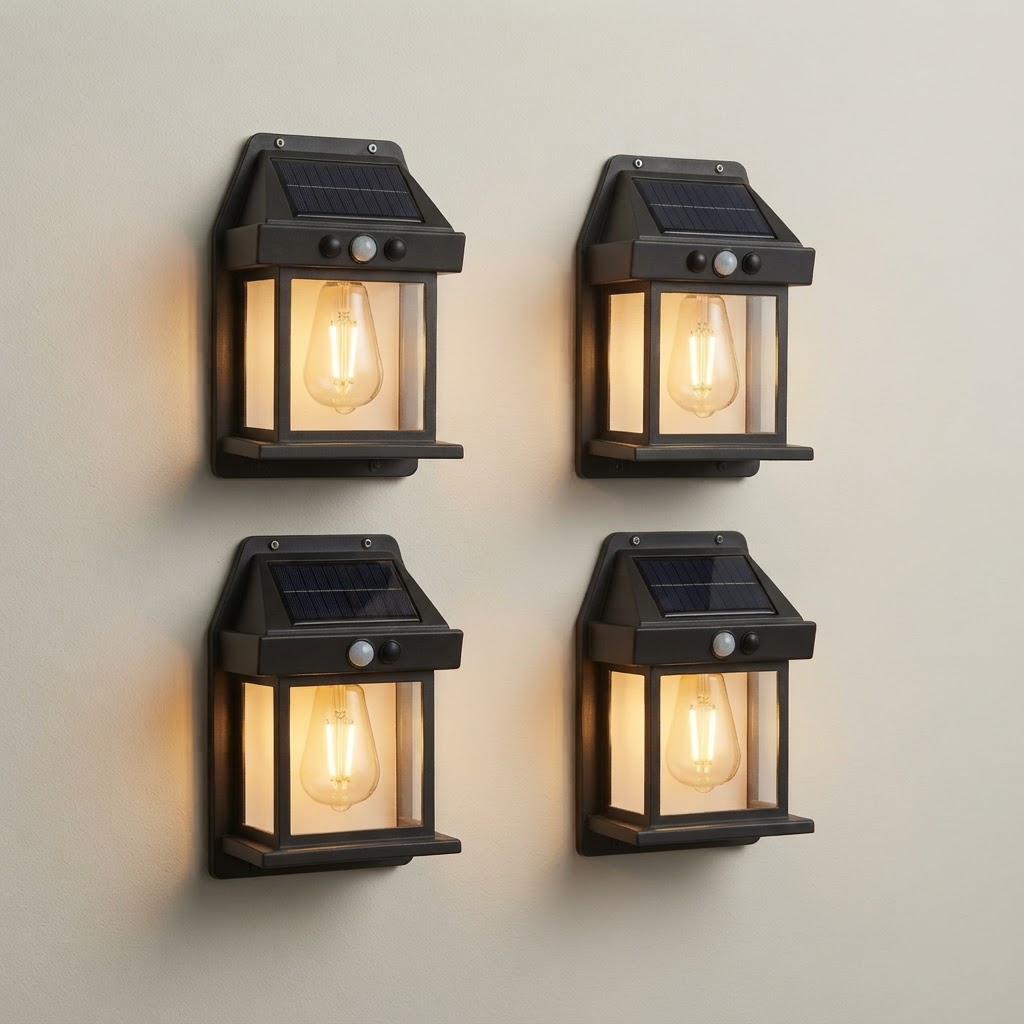
Ultimate Guide to Choosing the Best Solar Wall Lights with Motion Sensors
Introduction to Solar Motion Sensor Wall Lights
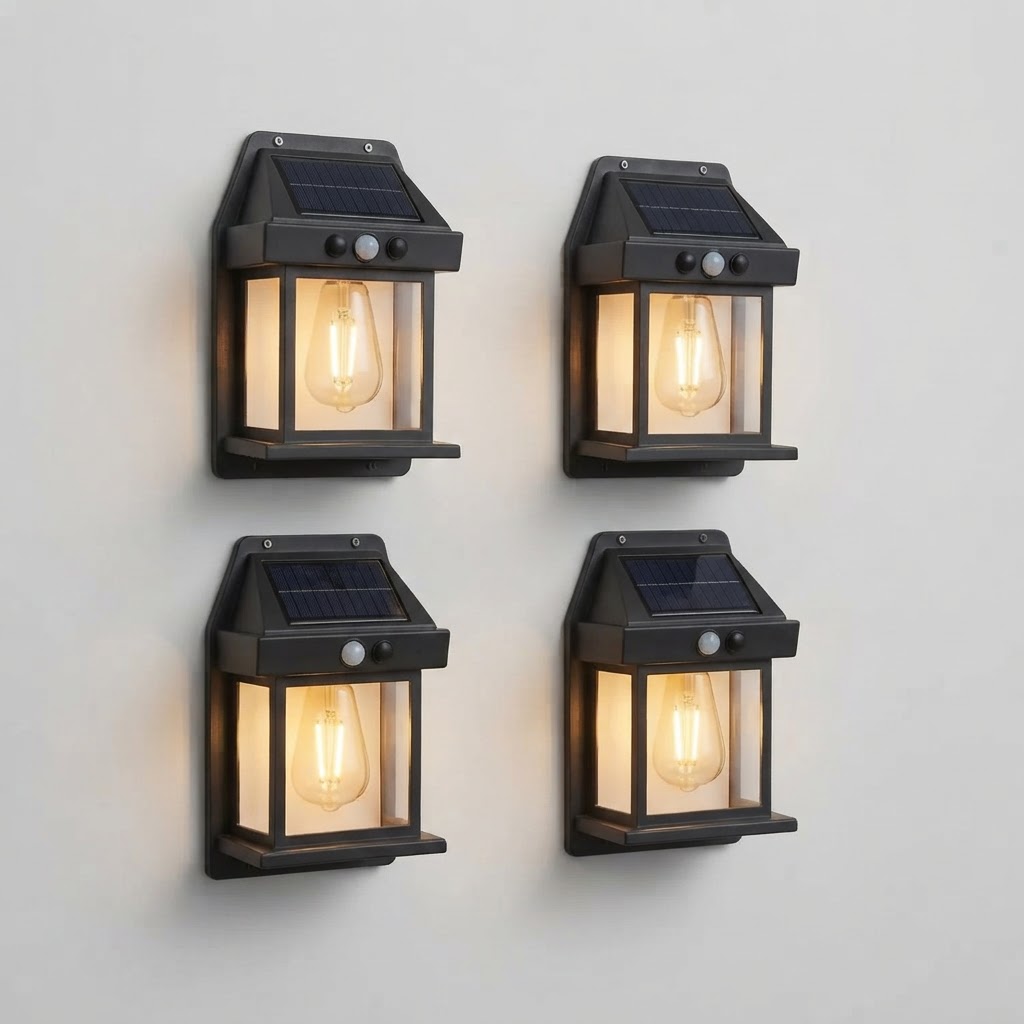
Outdoor perimeter lighting plays a pivotal role in home security, curb appeal, and nocturnal visibility. When evaluating the best solar wall lights with motion sensor features, homeowners must balance energy collection efficiency, battery storage capacity, structural durability, and sensor range. Solar-powered exterior fixtures eliminate the need for complicated electrical wiring, offering an automated lighting solution that activates at dusk and recharges during daylight hours.
Selecting the right system requires understanding the technical specifications that govern solar conversion, battery discharge, and sensor responsiveness. This guide explores the core engineering principles and practical features required to make an informed choice.
Key Features to Look For in Solar Wall Lighting
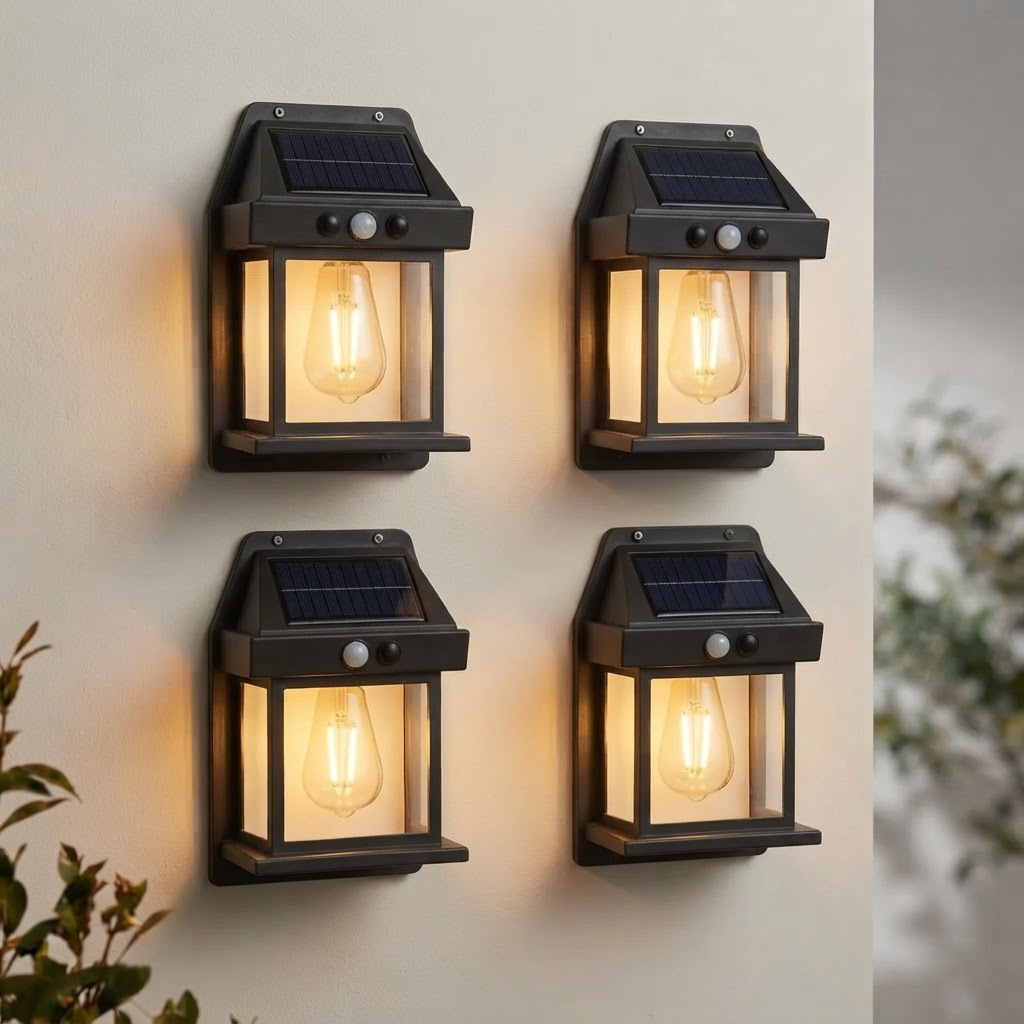
Modern solar wall lights integrate several distinct technologies into a single compact housing. Essential considerations include:
- Panel Type & Conversion Efficiency: Poly-silicon panels generally deliver a solar conversion efficiency of 17-20%, striking a balance between production cost and energy collection rates.
- Battery Specifications: A reliable 3.7V/2200mAH Battery ensures that energy collected during 6-8 hours of daylight translates into 8-10 hours of overnight illumination.
- Automated Dusk-to-Dawn Control: Dusk-to-Dawn automatic performance guarantees that fixtures charge during light hours and activate automatically as ambient light drops.
- Motion Sensor Range: Security-focused fixtures require a broad induction distance, such as a 19FT Induction distance, to detect motion before visitors approach the threshold.
- Multiple Lighting Modes: Flexibility is enhanced with 3 Lighting Modes with Motion Sensor capabilities, including motion activation and decorative flicker modes.
Understanding Solar Panel Efficiency and Battery Storage
Solar exterior light fixtures depend entirely on their photovoltaic panels and internal storage cells. Poly-silicon solar panels function by absorbing solar radiation to generate direct current power. Higher conversion efficiency ratings (17-20%) allow the fixture to gather adequate power even under partial daylight exposure.
The energy collected by the panel is directed into the internal power system, where battery voltage stability is maintained through a Constant 3.7V output. This steady output prevents rapid dimming as the power reserve drains throughout the night. The overall panel lifespan typically ranges from 3-5 years for poly-silicon cells, whereas higher-tier monocrystalline options may reach a lifespan of 5-10 years under optimal maintenance.
Motion Sensor Capabilities and Detection Ranges
Motion sensing is a primary requirement for perimeter defense and convenience lighting. Passive Infrared (PIR) sensors register changes in thermal energy within a dedicated detection field. An induction range reaching 19FT provides adequate lead time to illuminate walkways, patios, and doorways as individuals approach.
Integrated switches allow users to toggle between functional modes. For instance, fixtures offering motion sensor mode combined with decorative flicker modes provide dual functionality: ambient decorative accenting during early evening hours and bright tactical illumination upon motion detection.
Weatherproofing and Build Quality Standards
Exterior wall fixtures face constant exposure to precipitation, direct UV radiation, and severe temperature fluctuations. Choosing a unit built to Waterproof IP65 & Heatproof standards ensures operational continuity in torrential rain, snow, and extreme summer heat.
Weight and housing materials also influence mounting stability. Fixtures in a weight range of 12-16 oz with a durable Black finish offer physical resilience without placing excessive stress on exterior siding or masonry surfaces. Drainage matters as much as the rating printed on the box. Water that collects behind a fixture eventually finds the seams, so a housing sitting flat against the siding will outlast one mounted across an uneven joint. Clearing dust and pollen off the panel a few times a year protects charging speed as well.
Installation and Mounting Best Practices
Because wireless installation eliminates electrical hardwiring, wall lights can be mounted directly onto wood, brick, vinyl, or concrete surfaces. Standard mounting setups utilize Screws and wall anchors for secure attachment.
When positioning your fixtures:
How to Select the Ideal Solar Wall Light Setup
To maximize performance, consider multi-packs such as a 4 Pack set, which provides uniform aesthetic styling across porches, decks, pathways, and garage entry points at an economical pack price of $39.99. Evaluating key base specifications, such as an E26/E27 Light bulb base type, allows for straightforward bulb replacement when needed over the fixture's long-term operating life.
Plan the layout before drilling anything. Most homes need one fixture at the front door, one on the garage side, and the remaining two spread along the walkway or patio. Keeping the housings identical across every wall also holds the look together instead of drifting as fixtures get replaced one at a time.
Related in this cluster
- How Do Solar Motion Sensor Lights Work? Complete Operational Guide
- How to Install Wireless Outdoor Solar Wall Lights on Patio and Porch Walls
- Poly-Silicon vs. Monocrystalline Solar Panels for Outdoor Wall Lights
- Enhancing Home Security with 19FT Motion Sensor Solar Wall Lights
- Why the 4-Pack Solar Outdoor Wall Light Set Delivers Maximum Value
- Frequently Asked Questions About Solar Motion Sensor Wall Lights