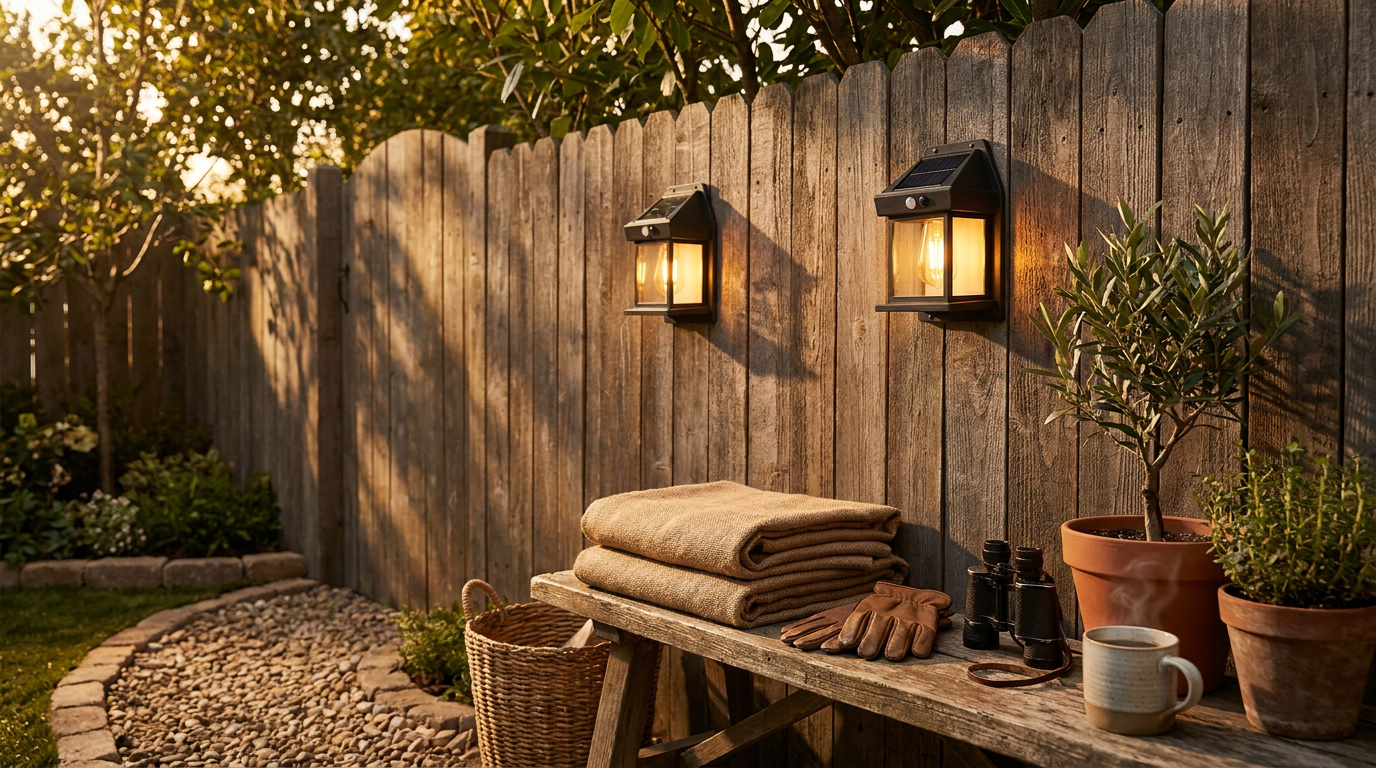
Securing Perimeters with Solar Outdoor Wall Lights
 Sam VasquezBuying Guide Lead
June 20, 2026. This guide examines how wireless solar security wall lights provide a reliable layer of protection for residential perimeters without the complexity of traditional wiring. It is written for homeowners seeking to improve visibility and deter intruders at entry points or along fence lines.
The Challenge of Perimeter Security and Lighting Gaps
Maintaining a secure property often comes down to eliminating dark corners where unauthorized activity can go unnoticed. Traditional hardwired security lighting requires an electrician and significant infrastructure, which often leads homeowners to leave areas like back alleys, side yards, or remote fence lines unlit. When we look at the data, the demand for solar outdoor wall lights has increased because they solve the physical limitation of power access. According to Ironsmith Lighting, modern solar motion detection lights now offer smart, energy-efficient LED configurations starting at accessible price points around $28.99, making it feasible to blanket a property in light without a massive utility bill. However, the market is flooded with low-quality options that fail during the first rainstorm or provide insufficient brightness to actually deter anyone. Searching for the brightest solar powered outdoor lights is a common reaction to this problem, as a dim light can sometimes be worse than no light at all by creating high-contrast shadows. The primary struggle is finding a balance between battery capacity and light output.
I have seen many people install cheap plastic units only to find that the detection range is too short to be useful. For a security light to be effective, it needs to trigger while a person is still far enough away to be identified or deterred. If the sensor only trips when someone is three feet from the door, the security benefit is largely lost. You also have to consider the environment; a light that works in Arizona might struggle during a cloudy week in the Pacific Northwest. This is why understanding the specific hardware specs—like IP65 waterproofing and detection range—is more important than just looking at the price tag. If you are looking for outdoor solar lights for house wall placements, you need to ensure the mounting height doesn't interfere with the sensor’s field of vision.
Hardware Specs That Actually Matter for Security
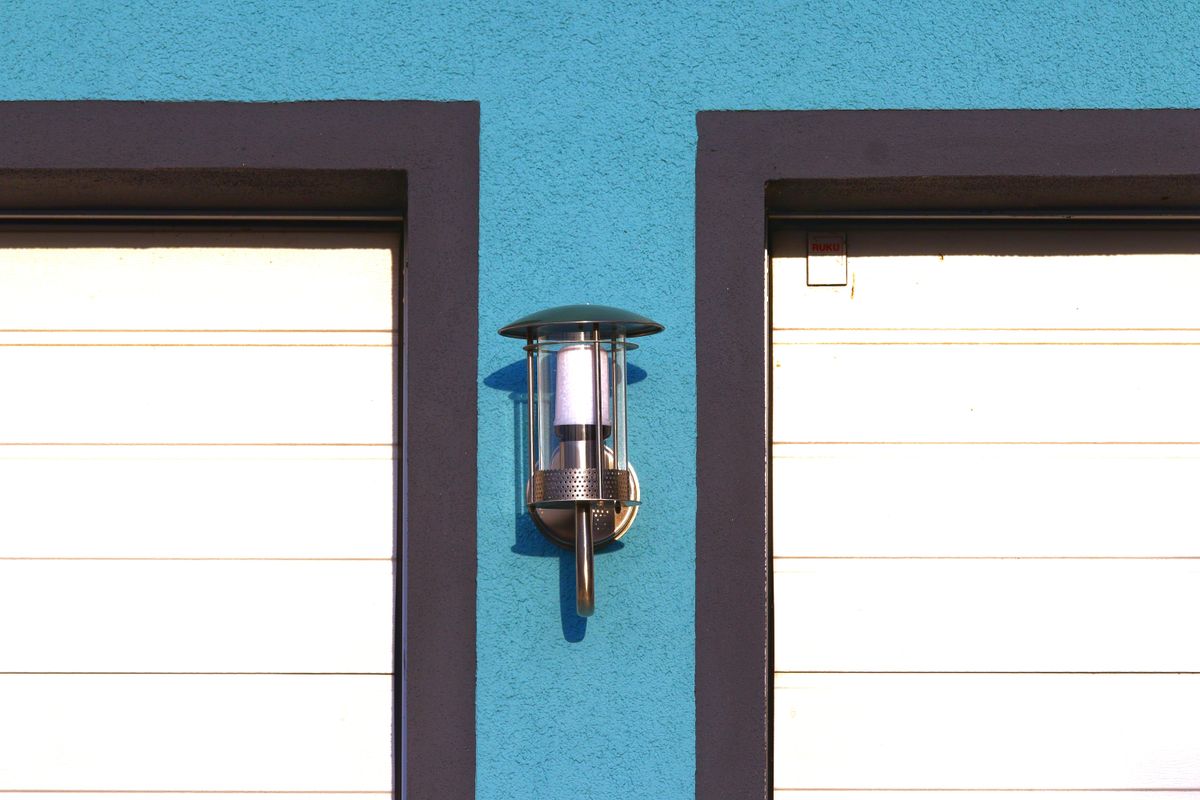
When I evaluate these units, I look at three things: the lumen output, the sensor reliability, and the housing durability. For a dedicated security application, you should aim for a high lumen count. While the discontinued Ring Solar Wall Light used to offer 800 lumens, many current market alternatives aim for similar outputs to ensure the light is bright enough to startle an intruder. Between a standard decorative light and a dedicated security model, I’d go with the one featuring a Fresnel lens on the motion sensor. This technology improves the detection of infrared heat signatures, which is exactly what you want for a motion sensor solar wall lights outdoor setup.
Based on verified listings for Solar Wireless Outdoor Security Wall Lights, a quality unit should offer at least a 16-foot detection range and an IP65 waterproof rating. This rating is critical because security lights are exposed to the elements year-round. Rust-resistant materials are a must if you live near the coast. I prefer units that include a dimmable capability or a 'dusk-to-dawn' low-glow mode that kicks into full brightness upon sensing motion. This ensures the area is never pitch black but saves the bulk of the battery for when it is actually needed. If you're on a budget, you might be tempted to buy a multi-pack of small fence lights, but those are decorative. For real security, you need a larger solar panel—ideally an adjustable one—to maximize sun exposure during the day. This is the only way to guarantee the light has enough juice to last through the night. If you're mounting these on a north-facing wall with heavy tree cover, skip this if you can't get at least 4 hours of direct sun; no amount of high-end specs can overcome a lack of photons.
A Decision Framework for Your Security Setup
Choosing the right hardware depends on your specific layout. If you are covering a wide driveway, you need a different tool than someone lighting a narrow side gate. Here is what I’d actually buy: a unit with a separate solar panel if the mounting spot is shaded, or an integrated high-capacity unit for south-facing walls. When comparing a standard solar outdoor wall lights model to a security-specific one, the security model will almost always have a larger battery to support the high-drain LEDs.
Before you click buy, run through this checklist to ensure the light fits your actual environment:
- Check the Detection Angle: Look for 120 degrees or wider to avoid blind spots near the wall.
- Verify the IP Rating: Never buy anything below IP65 for security use; IP44 is fine for a porch but not for an exposed fence.
- Measure the Mounting Height: Most sensors are calibrated for 6 to 10 feet; mounting higher reduces sensitivity.
- Confirm Battery Type: Lithium-ion (Li-ion) or Lithium Iron Phosphate (LiFePO4) batteries handle deep discharge cycles much better than older Ni-MH types.
- Look for Adjustable Timers: Being able to set the light to stay on for 30 or 60 seconds after motion stops is a major advantage for visibility.
Investing in a wireless solar security wall light is about more than just convenience; it is about creating a perimeter that manages itself. By selecting hardware with the right weatherproofing and sensor range, you can achieve a level of security that was previously only available through expensive electrical contractors.
Shop Solar Outdoor Wall Lights here
Sources
Photo by Jan van der Wolf on Pexels