Rethinking 'Brightest': Why Lumens Are a Flawed Solar Light Metric
 Maya ChenContributing Editor
The conventional wisdom says finding the brightest solar powered outdoor lights is a numbers game where the highest lumen count wins. This is a convenient marketing narrative, but it ignores the fundamental physics of off-grid power. Chasing peak lumens without scrutinizing the power system behind it is the single biggest mistake consumers make, leading to lights that are brilliant for an hour and useless by midnight.
The true measure of a solar light’s performance is not its peak output, but its ability to deliver usable light through the entire night. Here's the part nobody talks about: the energy budget. A solar light is a closed system defined by how much energy it can collect (panel wattage), store (battery capacity), and spend (lumen output). A high lumen rating is an energy-expensive claim that requires a robust battery and an efficient solar panel to be meaningful.
Run the math: A light advertising 2,000 lumens is an extreme power draw. If it uses a common 3.7V, 2200mAh battery, its total energy storage is only 8.14 Watt-hours (Wh). A high-efficiency LED might produce 150 lumens per watt. To generate 2,000 lumens, the light would need to draw over 13 watts, depleting its entire battery in under 40 minutes. This is why many high-lumen lights fail to stay bright all night, defaulting to a dim mode or dying completely.
A more useful approach is to evaluate the battery capacity in milliamp-hours (mAh) or, even better, watt-hours (Wh), against the panel's wattage. For demanding applications like illuminating a workspace, the core issue is often a mismatch between panel size and battery needs, a common hidden failure point in solar shed lights. According to the U.S. Department of Energy, a solar panel's output is directly tied to the sunlight it receives, which varies dramatically by location and season. A system balanced for Arizona will fail in Ohio's winter.
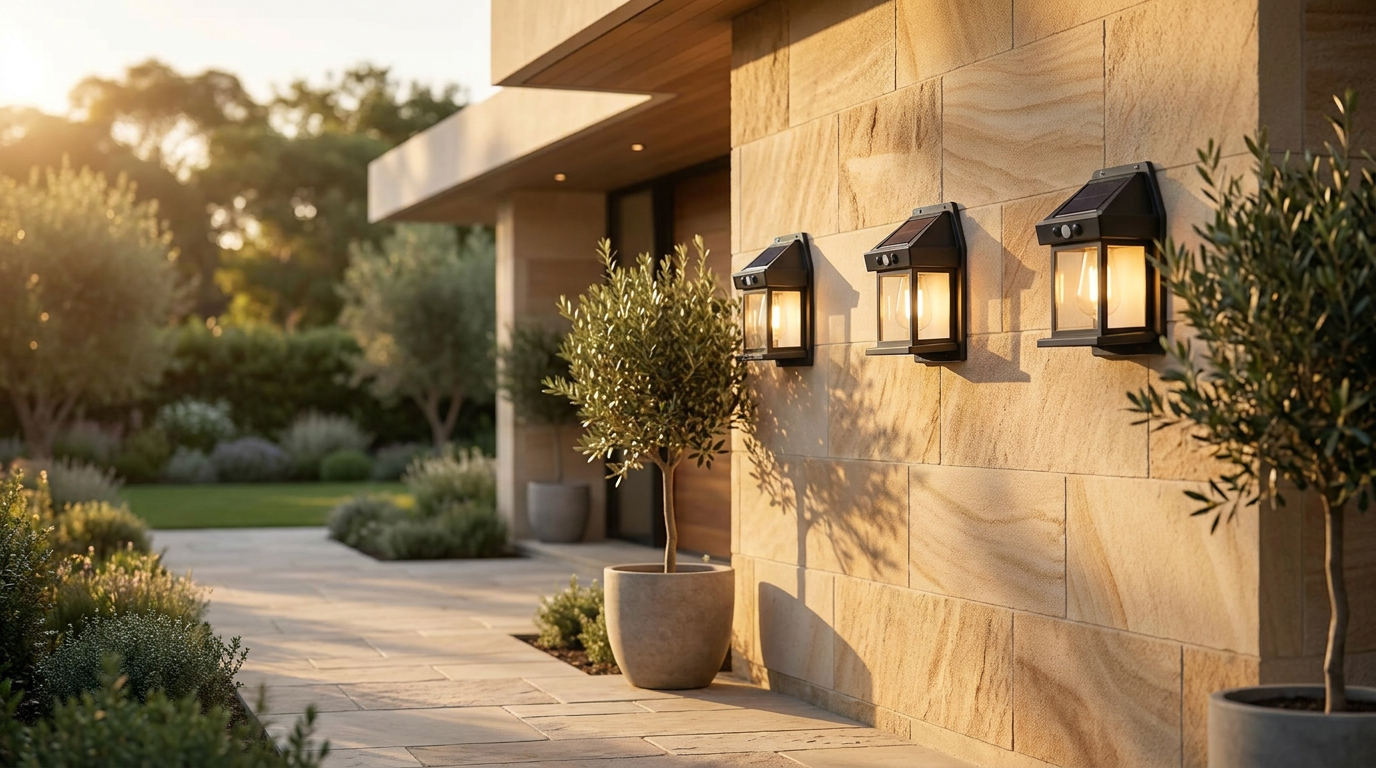
Prioritize fixtures where the manufacturer is transparent about battery capacity (look for >4000mAh for serious dusk-to-dawn use) and panel wattage. A 400-lumen light with a 6000mAh battery and a 5W panel is vastly superior to a 1500-lumen light with a 2200mAh battery and a 2.5W panel. The former is a tool; the latter is a toy. The best dusk to dawn solar outdoor lights wall mount units are those with the energy reserves to function reliably.
I'll change my mind when manufacturers prominently advertise verified 8-hour winter runtime and battery watt-hours instead of just peak, unsustainable lumen figures. Until then, ignore the lumen arms race.
Why are lumens a bad metric for solar lights?
Lumens are a measure of peak light output, not sustained performance. For a solar-powered device, the ability to store energy (battery capacity) and replenish it (panel size) is far more critical. A high lumen number on a device with a small battery is misleading, as it cannot maintain that brightness for a useful duration, especially during seasons with less sunlight.
How many lumens do I actually need for a wall light?
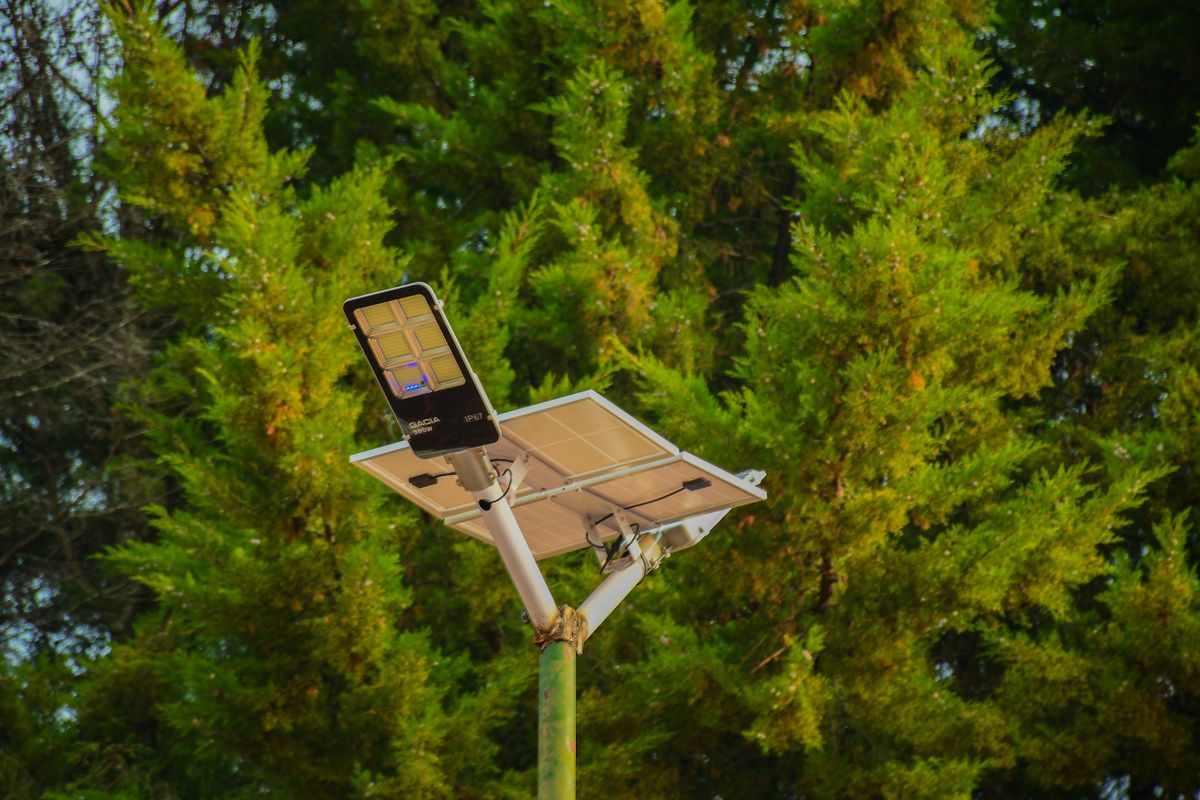
Photo by finix photographer on Pexels
For ambient pathway or accent lighting, 50-150 lumens is sufficient. For security purposes where you need to identify a person, a motion-activated burst of 300-800 lumens is effective. The key is not the peak number but that the light has the battery and panel capacity to deliver that burst reliably every time it's triggered, all night long.