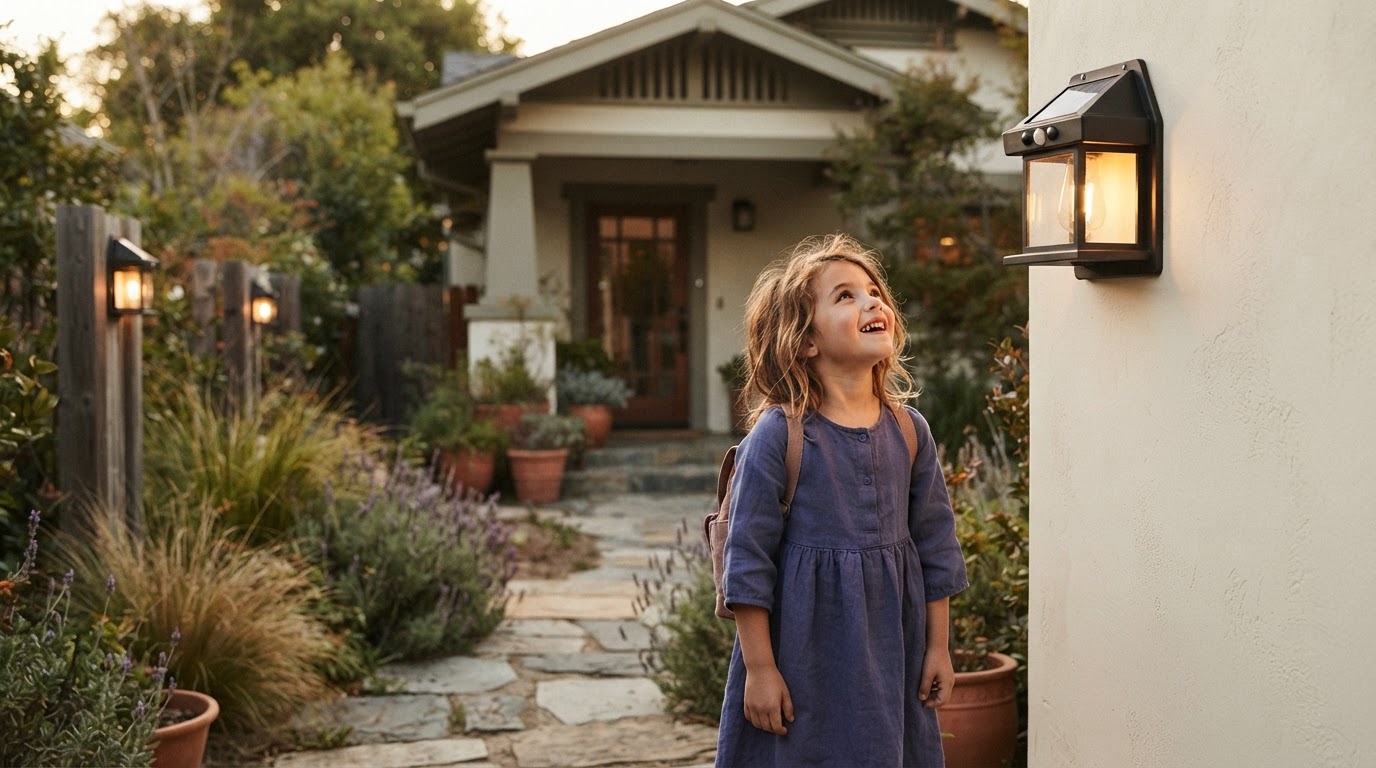
5-Step Strategy for Solar Outdoor Wall Lights Placement
 Sam VasquezBuying Guide Lead
October 19, 2026 — The shift toward wireless exterior illumination has gained significant momentum as homeowners prioritize energy independence and simplified installation using Solar Outdoor Wall Lights. This transition is largely fueled by advancements in integrated photovoltaic technology that allow for reliable, dusk-to-dawn performance without the high labor costs of hardwired systems.
While traditional lighting required trenching and professional electrical work, modern solar solutions have matured into durable, weather-resistant fixtures suitable for year-round use. According to a testing report by The Spruce, which evaluated the best outdoor solar lights of 2026, the current generation of mounted and hanging options provides consistent brightness that rivals many low-voltage wired alternatives. This reliability makes accent lighting a viable project for anyone looking to improve their home’s curb appeal without a contractor.
The 5-Step Placement Framework
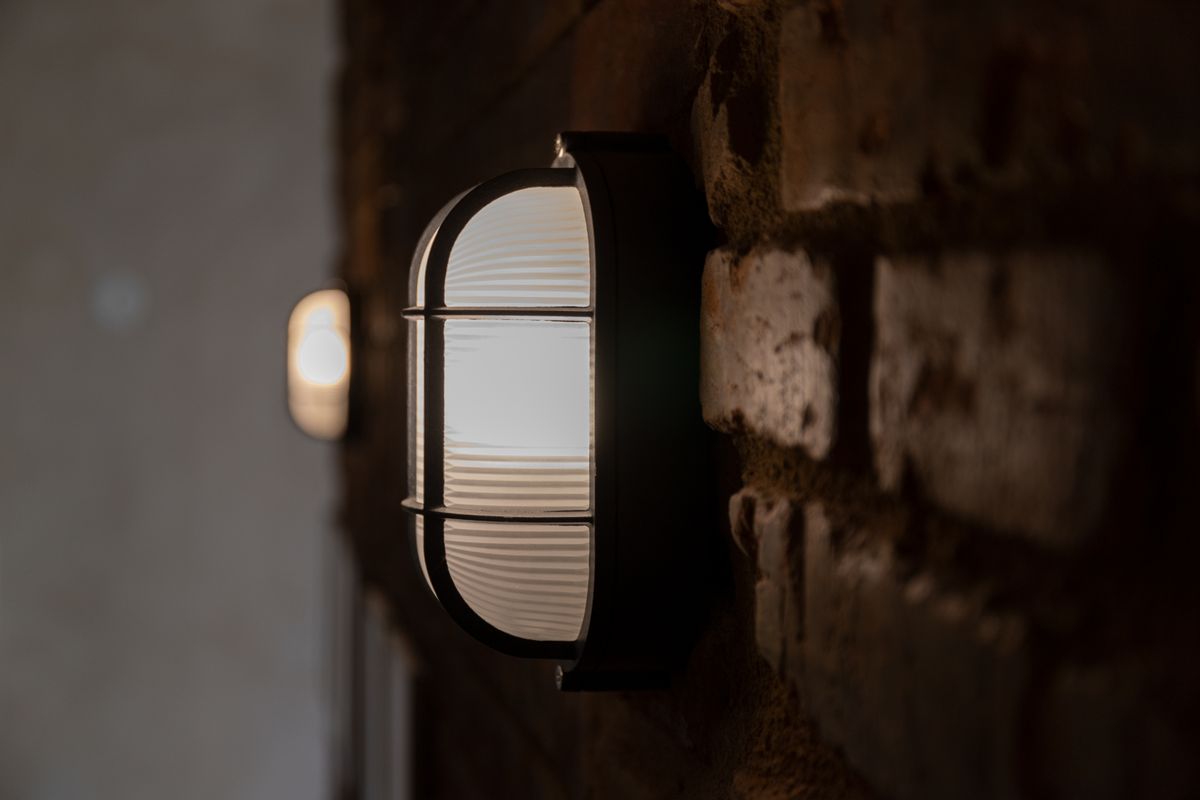
Photo by Alan Kabeš on Pexels
To get the most out of your Solar Outdoor Wall Lights, you need to follow a specific placement framework that balances solar intake with aesthetic output. First, identify your primary sun-exposure zones; a fixture requires at least 6 to 8 hours of direct sunlight to power through the night. Second, map out your vertical spacing. For house exteriors, I recommend mounting sconces at 60 to 66 inches from the ground to mimic eye-level indoor lighting. Third, consider the beam angle. Modern black outdoor solar lights often feature a downward-facing LED array, which is ideal for illuminating walkways, whereas decorative sconces might offer a wider wash for textured siding. Fourth, account for the sensor range if you are using motion-activated models. Many of these units feature a 120-degree detection arc with a range of up to 25 feet. Finally, verify the IP rating of your chosen hardware. For exposed exterior walls, an IP65 waterproof rating is the baseline standard for ensuring the internal battery and circuitry survive heavy rain and snow. When looking at technical specs, a high-quality solar wall light typically produces between 100 and 400 lumens for accent use, utilizing a 2200mAh lithium-ion battery to sustain a 10-hour runtime after a full charge. These specs ensure that even during shorter winter days, the dusk-to-dawn sensors will activate the light as soon as ambient levels drop, providing security and visibility until sunrise.
Expert tip: If you are installing lights on a north-facing wall that receives limited direct sunlight, skip the integrated models and look for a unit with a detachable solar panel that can be mounted on the roofline or a sunnier corner of the house.
If you're on a budget, I’d suggest starting with a warm white solar wall sconce set to cover larger areas like a garage or long fence line. Between these two, I’d go with the warm white solar wall lights for garden use if you want a softer, more atmospheric glow for your landscaping. For those focused purely on the front of the home, enhancing home aesthetics with solar outdoor wall lights requires a focus on symmetry around the entryway. If you want a more traditional look, warm white solar wall lights for garden settings also work well when mounted on porch pillars.
Here’s what I’d actually buy: a modern black metal fixture with a high-capacity battery, as it offers the best longevity for the price. Skip this if your mounting location is permanently shaded by large trees or deep eaves, as no amount of high-end circuitry can overcome a lack of photons.
Shop Solar Outdoor Wall Lights.