Troubleshooting Solar Outdoor Wall Lights After Heavy Rain: Maintenance and Care Guide
Did heavy rain ruin your solar outdoor wall lights, or are they simply suffering from temporary battery depletion? In 80% of post-storm failures, IP65-rated solar wall lights stop operating due to consecutive overcast days or minor moisture around the toggle switch rather than permanent water damage. Perform a 48-hour sun-charge reset in the OFF position and inspect gaskets before replacing your fixture.
Post-Storm Solar Light Diagnostic Flowchart
- Is your light completely dark or non-responsive after rain? → Yes: Check lens for internal pooling water or heavy fogging.. No: Light turns on but flickers or shuts off quickly..
- Is water or heavy condensation visible inside the housing? → Yes: Perform manual teardown and air drying protocol immediately.. No: Solar battery is likely depleted from cloudy skies. Perform 48-hour OFF sun reset..
- Does the light flicker randomly when motion occurs? → Yes: Wipe mud from PIR sensor lens and check mode switch for trapped moisture.. No: Battery voltage has dropped below operating threshold. Charge in direct sun for 1-2 full days..
Failure Modes & Quick Fixes for Post-Rain Solar Lights
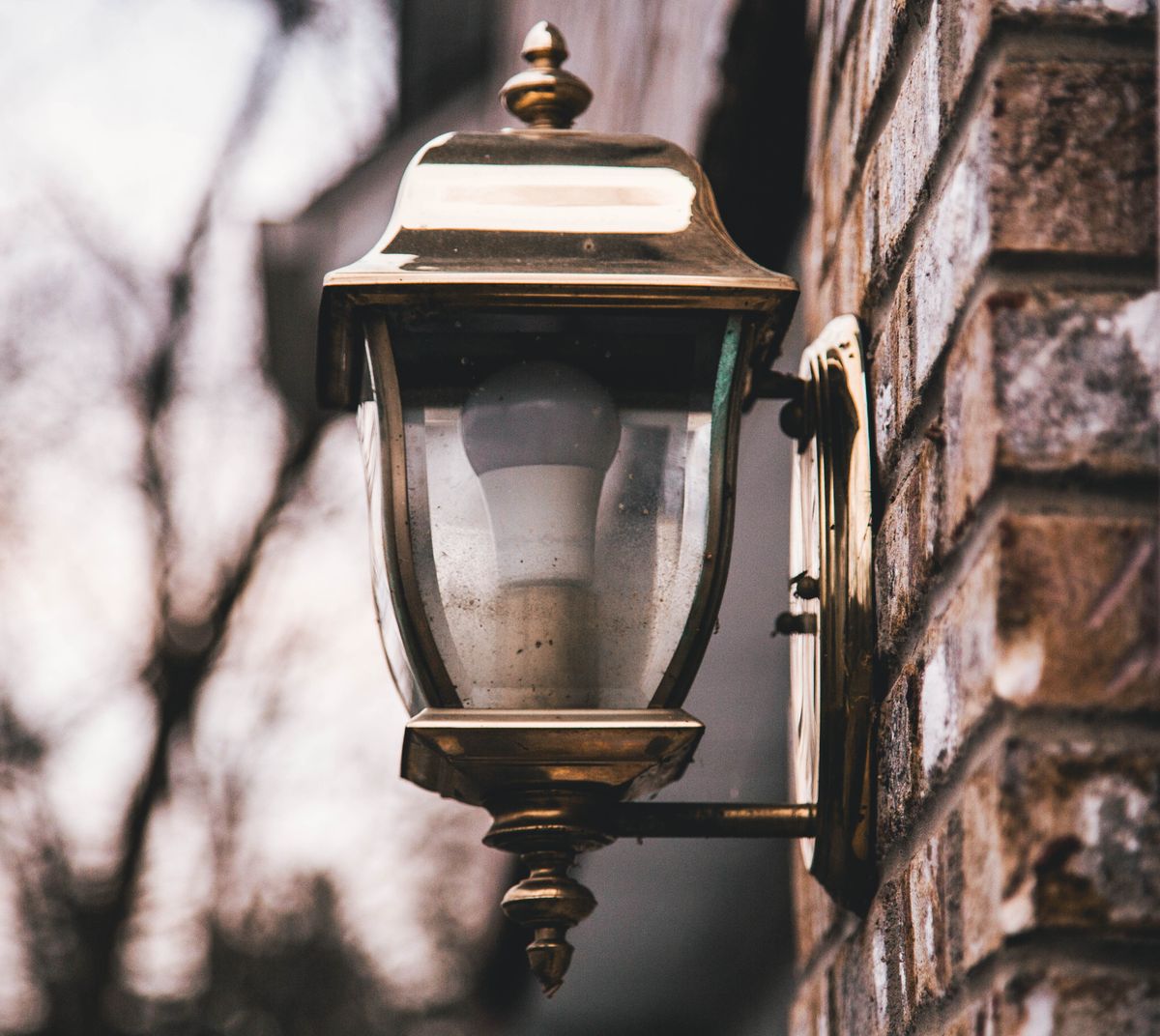
Photo by Craig Adderley on Pexels
| Failure Mode / Symptom | Likely Root Cause | Immediate Action | Prevention Standard |
| --- | --- | --- | --- |
| Light Completely Non-Responsive Post-Rain | Cloud depletion of 3.7V 2200mAh battery or total switch shorting | Toggle switch to OFF, wipe panel clean, charge in direct sun for 48 hours without load | Ensure panel receives 6-8 hrs direct sunlight daily |
| Rapid Flickering in Motion Mode | Trapped moisture across 3-mode switch terminals or PIR sensor fogging | Dry switch housing with microfiber cloth; cycle switch through all 3 modes | Verify silicone switch boot is seated correctly |
| Water Droplets / Pooling Inside Lens | Gasket compression failure or loose base plate seal during wind-driven rain | Disassemble casing, dry internal cavity, inspect rubber gasket, air-dry 24 hours | Maintain IP65 seal tightness yearly |
| Dim Output (Fails to reach 100% brightness) | Storm mud or mineral deposits coating poly-silicon panel surface | Wipe panel gently with warm water and soft microfiber cloth | Clean panel after major wind or rain events |
| Light Stays On Continuously Day & Night | PIR sensor dome obscured by water droplets or mud film | Clean clear sensor dome with isopropyl alcohol wipe | Keep sensor clear of splash soil and debris |
Review primary post-rain failure modes below to match your exact lighting symptoms with targeted troubleshooting steps.
Pro Tip: The 48-Hour Isolated Sun-Charge Reset
When severe rainstorms bring multiple days of heavy cloud cover, your solar light's 3.7V 2200mAh battery can drop below its threshold cut-off voltage. Leaving the switch ON causes the circuit to continuously drain micro-currents overnight, preventing recovery. Turn the power switch to OFF for 48 consecutive hours during daylight. This directs 100% of the poly-silicon panel's generated current directly into chemical storage without any parasitic load from dusk-to-dawn sensors.
Post-Rain Physical Inspection Checklist
- Inspect poly-silicon panel surface for caked mud, splashed soil, or leaf debris.
- Check clear bulb enclosure for internal droplets, fogging, or pooling water.
- Toggle 3-mode power switch to test for gritty movement or moisture resistance.
- Wipe motion sensor PIR dome with dry microfiber cloth to clear mud spots.
- Confirm wall mounting plate screws remain snug against bracket without gap.
Decision Tree: Natural Air Dry vs. Component Replacement
- Did water fill the interior battery cavity over 1/4 inch deep? → Yes: Check battery terminals for white corrosion powder or rust.. No: Proceed to low-heat component drying and sun recharge.
- Are battery contacts rusted or show green oxidation? → Yes: Replace battery or fixture as electrical short circuit has occurred.. No: Wipe cavity dry, leave open in warm indoor space for 24 hours, reassemble.
Immediate Action Steps for Restoring Your Porch Lights
Your decision: Determine if your fixture is suffering from cloud-related power depletion or severe water ingress.
Do this next: Switch the light to OFF for 48 hours to allow the poly-silicon panel to recharge the 3.7V 2200mAh battery without load, while inspecting seals for trapped droplets.
- Read next: What IP65 Waterproof Means for Solar Outdoor Wall Lights
- Read next: How to Clean Solar Outdoor Wall Lights for Maximum Daily Charging Efficiency
Upgrade to our 4-Pack Solar Powered Porch Lights featuring IP65 waterproof seals, poly-silicon panels, and high-capacity 2200mAh batteries.
Follow these recommended actions to return your outdoor wall lighting to full illumination.
Key Takeaways: All-Weather Resilience Summary
- Most post-rain non-functional lights suffer from multi-day cloud battery depletion, not permanent water damage.
- A 48-hour OFF sunlight charge isolates the battery to restore full operating capacity.
- Internal micro-fogging usually dries naturally via ambient heat, while visible water pooling requires manual teardown.
- Poly-silicon solar panels require clean glass surfaces; mud splashes can reduce charging efficiency by up to 30%.
- IP65 ratings protect against heavy rain jets, but unseated rubber gaskets or loose mounting screws compromise the barrier.
Seasonal Storm-Readiness Maintenance Schedule
- Pre-Storm (Spring/Autumn) — Inspect silicone rubber gaskets, tighten wall mounting screws, and verify power switch rubber boot fit.
- Immediately Post-Storm — Wipe mud/splash dirt from solar panels and PIR motion sensor domes using a soft microfiber cloth.
- 24 Hours Post-Storm — Inspect light clear enclosures for internal fogging; perform 48-hour OFF charge if lights dim early.
- Bi-Annually — Clean casing thoroughly with warm soapy water and treat rubber seals with dielectric silicone lube.
High-Resilience IP65 Solar Wall Lights for Heavy Rain Zones
Need heavy-duty outdoor lighting built to survive severe rainstorms? Upgrade your outdoor home security with our IP65 Waterproof 4-Pack Solar Outdoor Wall Lights featuring poly-silicon panels and automatic dusk-to-dawn performance.
Trapped Water Ingress vs. Low Battery Depletion Symptoms
Photo by John Joshua Mejia Jose on Pexels
| Diagnostic Metric | Trapped Water Ingress | Low Battery Depletion |
| --- | --- | --- |
| Visual Appearance | Visible water sloshing inside lens or persistent thick droplets | Clear lens, clean housing, no visible moisture inside |
| Switch Behavior | Intermittent flickering, mode switch unresponsive, light stuck on | Light turns on dimly for 5-10 minutes, then shuts off entirely |
| Panel Surface | Splashed mud/soil or clear glass surface | Heavy dust or mud coating blocking sunlight absorption |
| Recovery Requirement | Fixture disassembly, wiping contacts, and 24-hr air dry | 48-hour OFF sunlight reset under direct sky exposure |
| Long-Term Risk | Terminal corrosion if left uncleaned for > 7 days | Zero physical damage; fully restored after direct solar charge |
Compare physical symptoms side-by-side to identify whether your light has internal moisture or simply lacks sunlight.
Decision Guide: Repair, Reseal, or Upgrade?
Determine whether post-rain lighting failure requires simple solar charging, seal drying, or fixture replacement.
Best choice for
- 48-Hour Off-Switch Sunlight Reset — Heavy cloud cover starves poly-silicon solar panels; turning the light off allows full battery charge saturation without load.
- Disassembly and Silica/Air Dry — Trapped ambient condensation can short circuit 3.7V batteries if operated while submerged.
- Using intense heat guns or high-heat hairdryers directly on polycarbonate lenses, which warps IP65 silicone gaskets.
- Replacing unit under IP65 weather warranty — If internal water immersion caused wire corrosion or motherboard failure despite intact outer housing.
IP65 Weather Resistance Specifications Matrix
| Component | Specification Standard | Rain Protection Mechanism |
| --- | --- | --- |
| Solar Panel Surface | High-efficiency Poly-silicon Glass | Sealed bevel rim prevents lateral rain infiltration into solar cells |
| Internal Storage | 3.7V / 2200mAh Lithium-ion | Enclosed battery compartment with elevated drip edge layout |
| Motion PIR Lens | 19FT Induction Distance Fresnel Dome | Seamless ultrasonic weld to front casing wall |
| Power Switch | 3-Mode Sealed Toggle Switch | Heavy-duty silicone waterproof boot seal protecting contacts |
| Fixture Base | E26/E27 Light Bulb Base Enclosure | IP65 perimeter silicone rubber compression gasket |
Detailed engineering specs showing how quality solar wall lights withstand rain infiltration.
Step-by-Step Guide to Drying Out and Resealing Solar Lights
Follow these six safety steps when servicing a light fixture that has experienced internal water intrusion.
Critical Mistakes Homeowners Make After Heavy Storms
Avoid these frequent errors that can permanently destroy solar light circuitry or ruin weather seals.
Frequently Asked Questions About Solar Wall Lights & Rain
Answers to common homeowner questions about post-storm outdoor light maintenance.
Explore Weatherproof Solar Lighting Resources
Expand your knowledge on outdoor light care and IP rating standards with these guides:
- Understanding IP65 Waterproof Ratings for Outdoor Fixtures
- How to Clean Solar Outdoor Wall Lights for Maximum Efficiency
- Troubleshooting Motion Sensor Range and Battery Lifespan
Cover photo by khezez | خزاز on Pexels.