
Analyzing the LETMY Price Drop vs Solar Outdoor Wall Lights
 Maya ChenContributing Editor
July 18, 2026 — Amazon, via third-party seller AUTOFLY KAOLA, recently slashed prices on a 6-count pack of LETMY IP65 waterproof solar spot lights for Prime members. This market movement targets budget-conscious consumers looking for low-cost perimeter illumination across residential driveways and gardens.
The conventional wisdom says that a lower price per unit equates to better value for the homeowner. According to Slickdeals.net, the current promotion brings the cost down to $19.24 for the 6-pack, which breaks down to exactly $3.21 per light. While the sub-$4 price point is visually appealing, it ignores the physics of energy density and longevity. These units feature 14 LEDs and two operating modes, but at this price tier, the trade-off usually manifests in the battery's cycle life and the conversion efficiency of the photovoltaic cells.
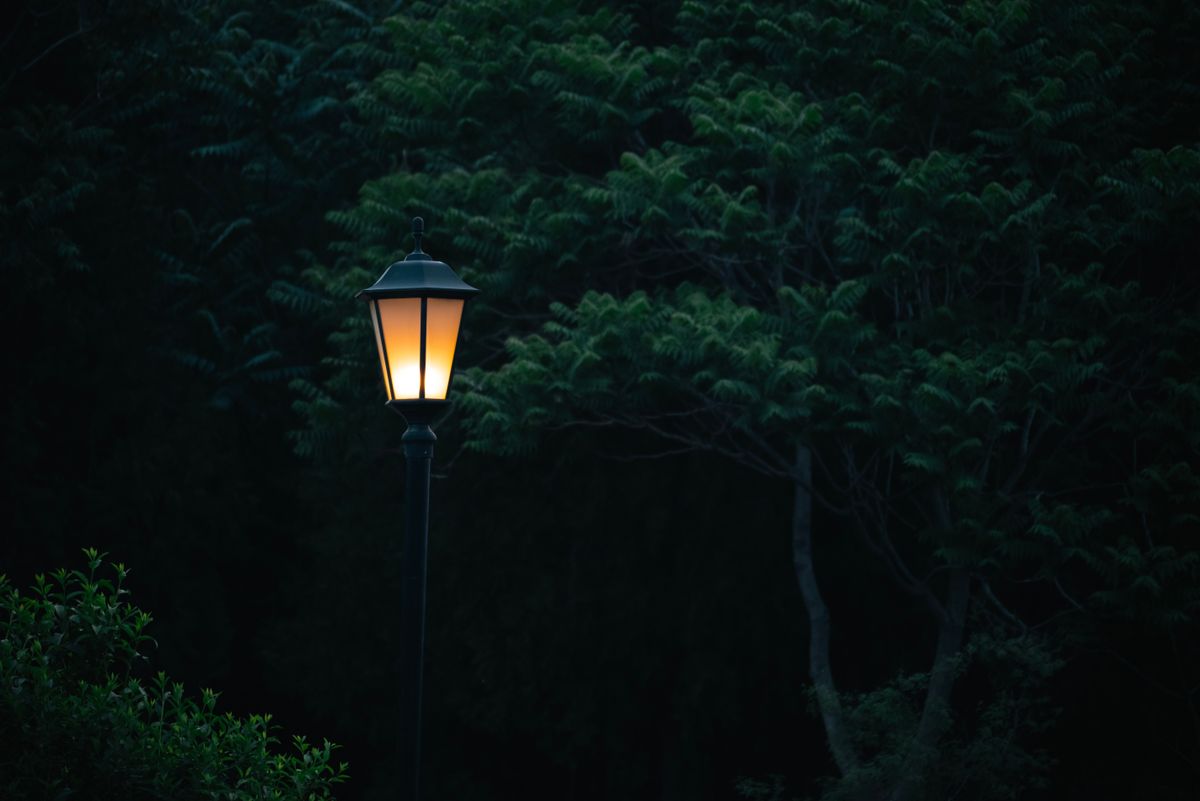
Photo by Star Zhang on Pexels
Run the math: a $3.21 light must cover manufacturing, international shipping, Amazon's commission, and the seller's margin. This leaves a negligible amount for the actual semiconductor quality. In contrast, the Solar Outdoor Wall Lights 4-pack utilizes high-efficiency poly-silicon solar panels designed for a specific 6-8 hour charge-to-discharge ratio. When you prioritize solar motion sensor reliability over raw unit count, the cost-per-lumen over a 24-month period often favors the more robust hardware found in permanent wall-mounted fixtures.
Here’s the part nobody talks about: the IP65 rating. While both the LETMY units and Solar Outdoor Wall Lights claim this standard, the heatproof design of a dedicated wall unit is critical for preventing thermal runaway in the lithium-ion cells during peak summer months. A ground-staked spot light is subject to more moisture ingress from soil saturation than a properly installed porch light.
Expert tip: When evaluating solar hardware, ignore the LED count and look at the panel surface area. A larger poly-silicon panel can harvest more energy in overcast conditions, ensuring the 'dusk-to-dawn' promise actually lasts until dawn rather than flickering out at 2:00 AM.
I'll change my mind when budget spot lights provide verifiable third-party testing on their battery degradation rates after 500 discharge cycles. Until then, the $3 entry point remains a gamble on disposability.
Shop Solar Outdoor Wall Lights