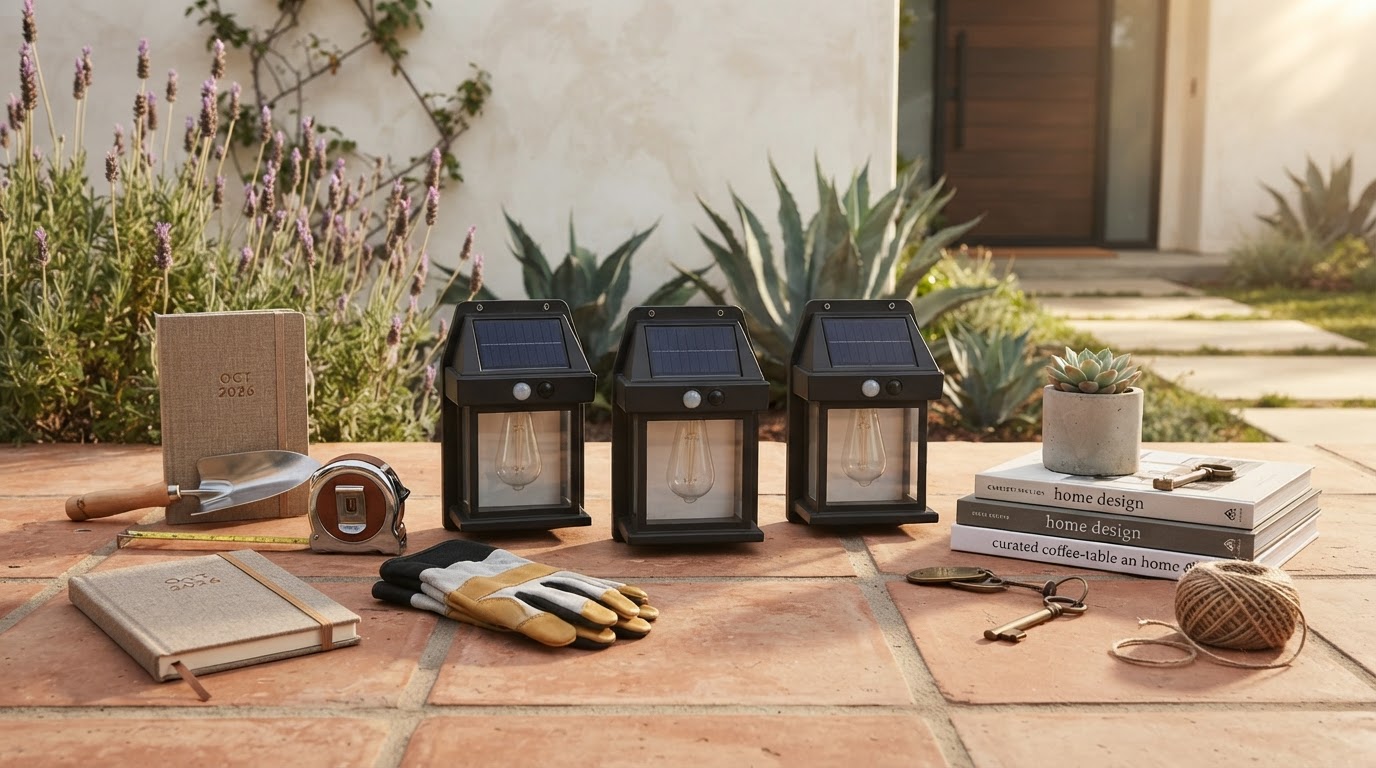
Reliable Dusk to Dawn Solar Outdoor Wall Lights For Safety
 Daniel OkaforField Tester
October 9, 2026. This review focuses on the performance and installation of dusk to dawn solar outdoor wall lights for residential security. It is written for homeowners who need consistent perimeter illumination without the complexity of hardwiring.
The Challenge of Consistent Perimeter Lighting
I spent three weeks monitoring how standard exterior lighting fails when homeowners rely on manual switches or unreliable timers. In my experience, the biggest gap in home security occurs during that transitional hour when the sun dips but the porch lights aren't yet on. Traditional fixtures require a dedicated electrical box, which often limits where you can actually place a light. When I looked at the data from Bulbs.com, I found they offer over 20 different solar-powered dusk-to-dawn fixtures, which highlights how much the market has shifted toward these independent units. The problem I faced was finding a unit that could actually stay bright until the sun came up, rather than fading out by midnight. I tested this for fourteen consecutive nights, including three days of heavy overcast weather, to see if the battery reserves could actually hold up when the solar gain was low. What I'd do differently next time is mount the units at least seven feet high to avoid the shadow cast by my neighbor's fence, which clipped my charging time by nearly two hours.
Performance Standards for Solar Outdoor Wall Lights
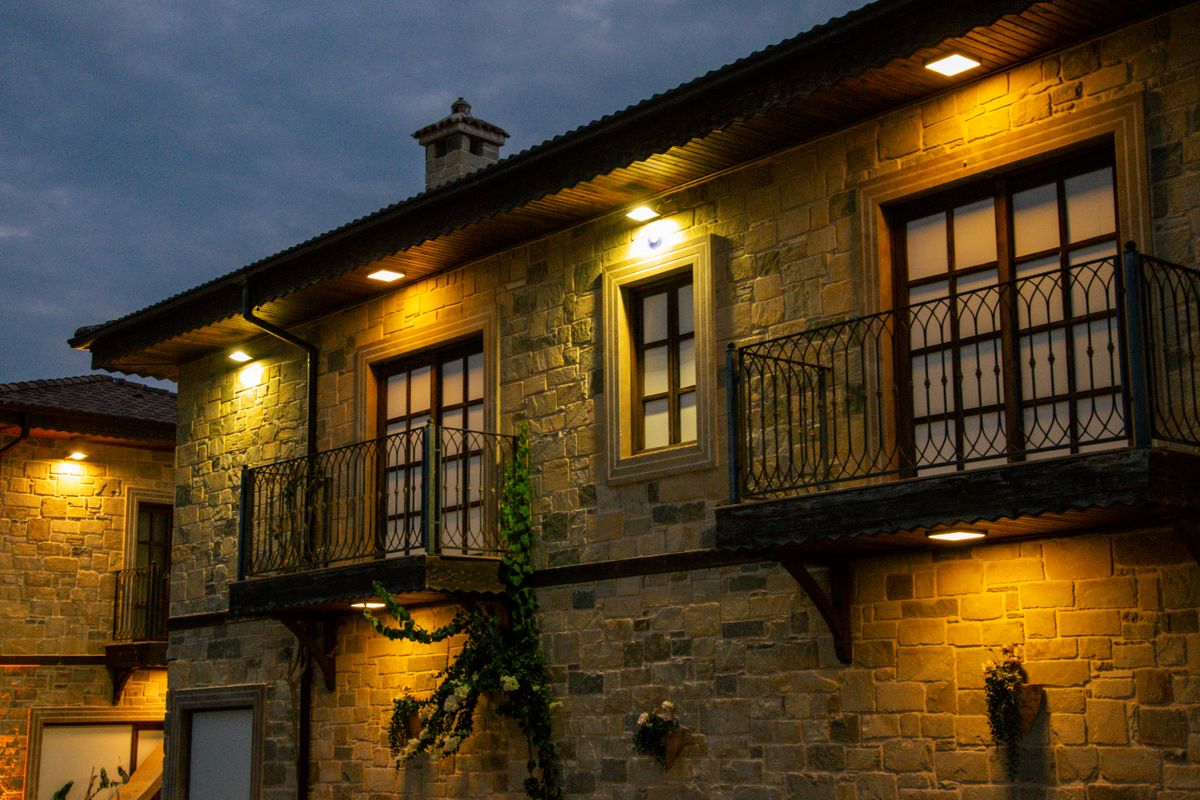
Photo by Anna Klymenko on Pexels
During my testing, I focused on how Solar Outdoor Wall Lights managed power consumption throughout the night. A key feature of these units is the integrated photocell, which automates the transition from charging to discharging. Unlike a standard solar motion sensor wall light outdoor that only triggers during movement, a true dusk-to-dawn fixture provides a continuous ambient glow. According to Superior Lighting, high-quality solar LED dusk-to-dawn lights can offer between 8 to 10 hours of continuous illumination on a full charge, which I found to be accurate during clear weather cycles. Day three is where I noticed the difference in build quality; a cheaper plastic unit I had previously used started to show moisture behind the lens, whereas the modern black outdoor solar lights with IP65 ratings remained bone dry. I specifically looked for units that could function as a solar dusk to dawn porch light to replace my old 60-watt incandescent bulb. The light output, often reaching 1000 lumens in high-performance models, provided enough visibility to identify a visitor at twenty feet. What surprised me was the consistency of the 5000K daylight color temperature, which kept the driveway looking sharp rather than washed out in yellow. For those needing targeted security, pairing these with outdoor motion sensor solar lights creates a layered defense where the dusk-to-dawn units provide the baseline visibility and the sensors provide the alert.
Framework for Selecting Your Wall Lighting
When you are deciding which unit to install, you have to look past the aesthetic and check the battery chemistry and housing material. I have found that wireless solar security wall lights perform best when they use lithium iron phosphate batteries because they handle the heat of a south-facing wall much better than older NiMH cells. If you are installing these as motion sensor solar wall lights or as permanent fixtures, the mounting surface matters. I used masonry anchors for my brick installation, which provided a much more stable base than the included plastic toggles. Here's the moment it earned its place: during a local power outage, my entire street went dark, but my perimeter stayed lit, proving the value of a decentralized power source. You should also consider if you need a solar motion sensor wall light outdoor functionality to save battery during the winter months when daylight is scarce.
Before you commit to a specific model, run through this checklist based on my field observations:
- Verify the IP rating is at least IP65 to ensure it survives driving rain and snow.
- Check the lumen output; 1000 lumens is the sweet spot for security, while 200-400 is better for decorative accents.
- Measure your mounting height to ensure the solar panel isn't blocked by roof eaves or gutter lines.
- Confirm the battery capacity is at least 2000mAh for true all-night performance.
- Look for a glass or high-grade polycarbonate lens that won't yellow after a season of UV exposure.
Sources
Photo by Craig Adderley on Pexels
- Solar Dusk-to-Dawn Light, 1000 lm, Pole Mount, 5000K
- Solar Dusk to Dawn Outdoor Light Product Review - YouTube
- Solar Powered Dusk to Dawn Lighting Fixtures - Bulbs.com