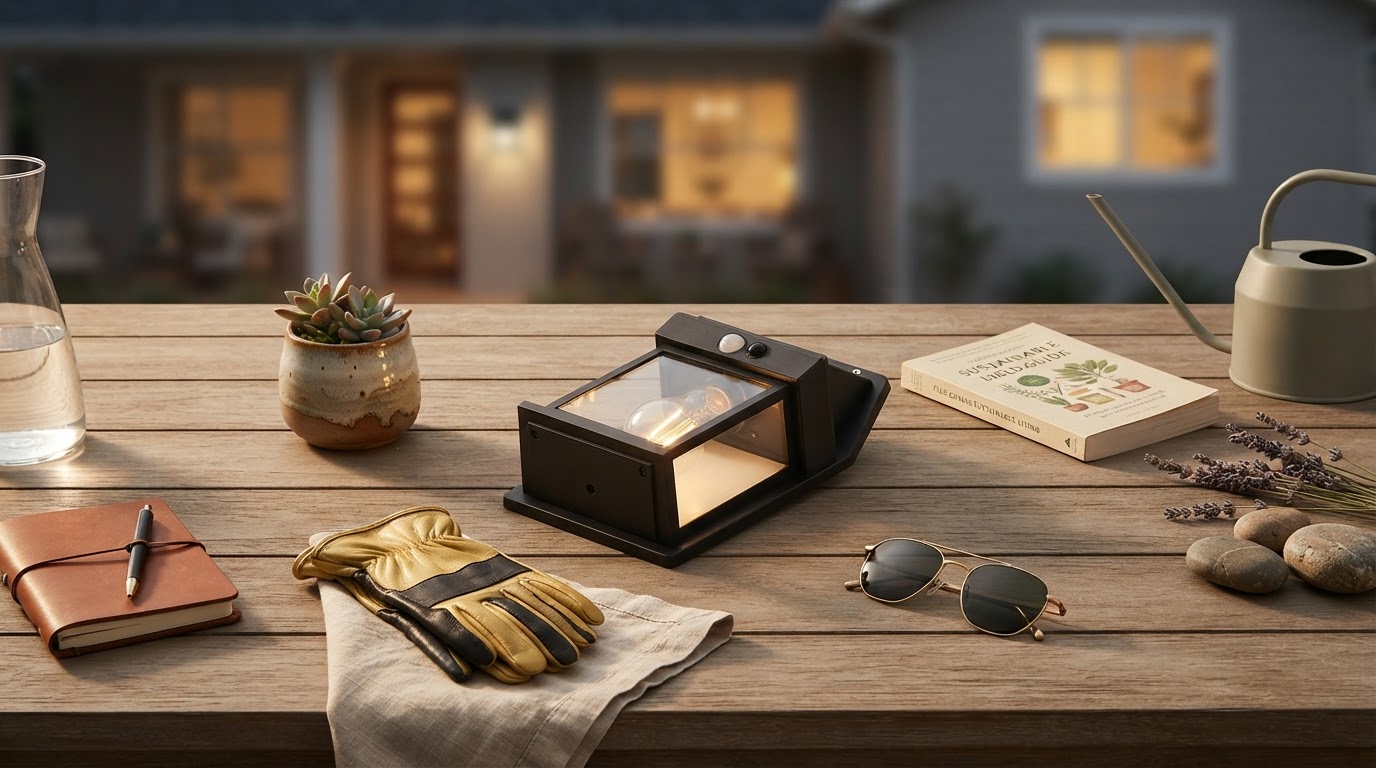
Designing House Exteriors with Solar Outdoor Wall Lights
 Maya ChenContributing Editor
August 14, 2026. This analysis examines the technical integration of decorative solar fixtures into modern residential architecture. It is written for homeowners seeking to balance aesthetic curb appeal with the logistical constraints of wireless energy systems.
The Efficiency Gap in Decorative Lighting
The conventional wisdom says that solar lighting is a compromise, a secondary choice for those unwilling to hire an electrician. This perspective ignores the rapid advancement in photovoltaic efficiency and battery density. However, the part nobody talks about is the discrepancy between advertised lumen counts and actual field performance. According to Gama Sonic, high-quality solar wall lights are now designed to mimic the output of traditional electric fixtures, but success depends entirely on the placement of the integrated solar panel relative to the structure's eaves. Most decorative failures occur not because of the light itself, but because of architectural shadowing. Run the math: a typical decorative solar sconce requires at least six hours of direct solar exposure to maintain a consistent 100-lumen output through a standard eight-hour night. When consumers install these units under deep porch overhangs, they are essentially setting the device up for hardware failure. While solar accent lighting for house exterior can highlight textures, the primary decorative wall unit must act as a reliable anchor, requiring a clear line of sight to the southern sky that many homeowners overlook in favor of symmetry.
Technical Implementation of Solar Sconces
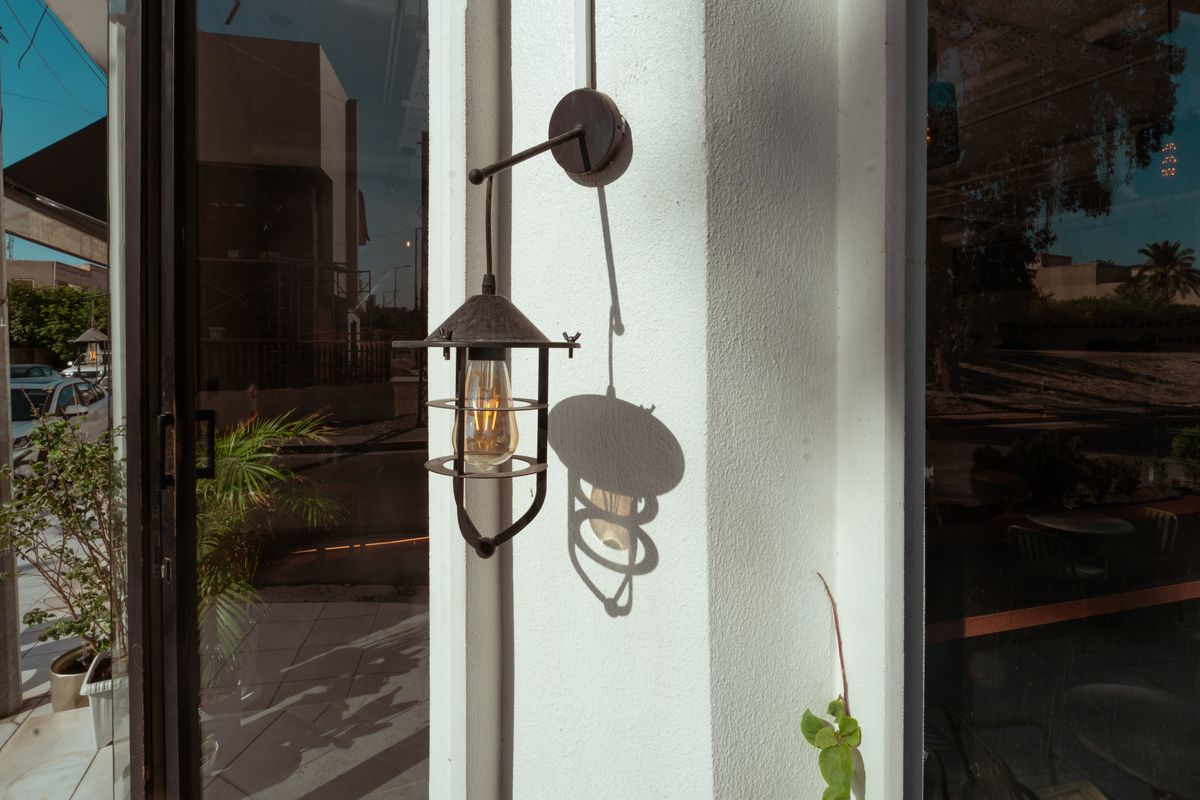
Photo by khezez | خزاز on Pexels
Transitioning from hardwired systems to Solar Outdoor Wall Lights requires a shift in how we perceive exterior hardware. We often see installations where a warm white solar wall sconce set is expected to provide both security-level brightness and a soft decorative glow simultaneously. This is a technical impossibility given current lithium-ion capacities in small-form-off-grid units. Instead, the most effective exterior designs utilize dusk-to-dawn sensors to manage power consumption. Modern units, such as black solar wall lanterns, utilize monocrystalline silicon panels which offer conversion rates near 20-22%. This efficiency is what allows for the "modern black outdoor solar lights" aesthetic without the bulky, blue-tinted panels of the previous decade. For those prioritizing a cohesive look, black metal solar wall lanterns provide the structural weight of traditional ironwork while housing the necessary circuitry for motion-sensing capabilities. It is a common mistake to prioritize the 'decorative' aspect over the ingress protection (IP) rating. A decorative light that cannot withstand a high-pressure rain event—common for "solar deck lights outdoor waterproof house" searches—is merely a temporary ornament. High-end units now frequently feature IP65 ratings, ensuring that the internal battery housing remains hermetically sealed against moisture, which is the leading cause of premature LED flicker.
Evaluating Decorative Solar Performance
When selecting hardware for a permanent exterior installation, the aesthetic must be secondary to the duty cycle of the internal battery. I'll change my mind when solid-state batteries become the industry standard for consumer-grade lighting, but until then, the replacement cycle of 18650 or 21700 lithium cells is the metric that matters most. A solar wall sconce outdoor is only as good as its ability to be serviced. Hoselink USA notes that decorative round solar wall lights can create a specific atmosphere, but they must be positioned where the sun's path is unobstructed for the majority of the day. To ensure your decorative lighting serves its architectural purpose, use the following framework for selection:
- Verify the Kelvin temperature: Decorative lighting should typically sit between 2700K and 3000K to avoid the clinical blue glare of cheap LEDs.
- Assess the panel orientation: Ensure the top-mounted or remote panel has a 180-degree unobstructed view of the sky.
- Check the Ingress Protection (IP) rating: Look for IP65 or higher for any wall-mounted unit exposed to direct rain.
- Confirm the battery capacity: A minimum of 2000mAh is recommended for units intended to stay lit from dusk until dawn.
- Evaluate the housing material: Opt for powder-coated aluminum or UV-resistant polycarbonate over thin plastics that degrade in high-heat environments.
Sources
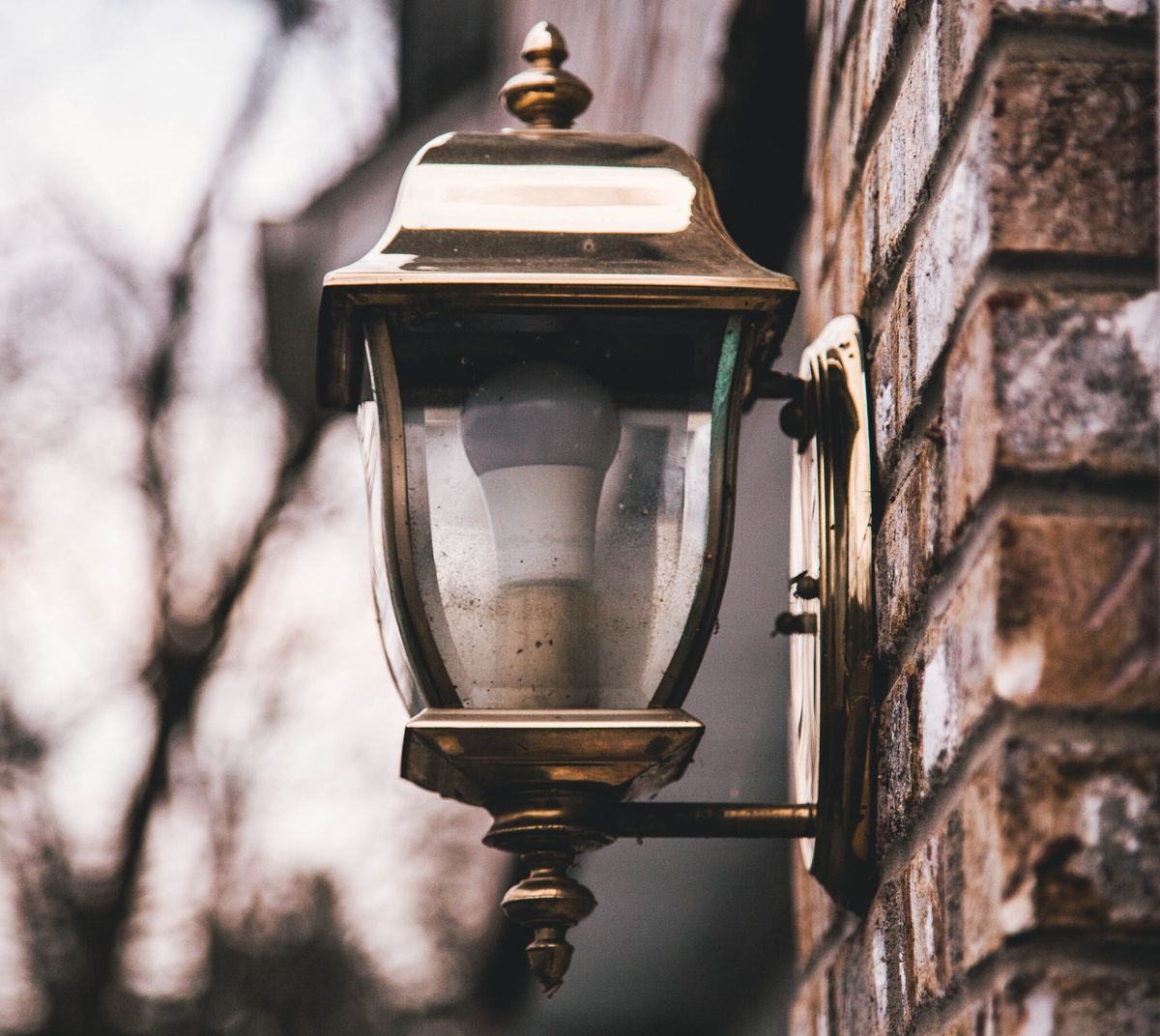
Photo by Craig Adderley on Pexels
- Modern & Classic Outdoor Solar Wall Lighting | Gama Sonic
- Solar Lights | Outdoor Solar Landscape Lighting & Solar Lanterns
- Solar Garden Lighting - Hoselink USA