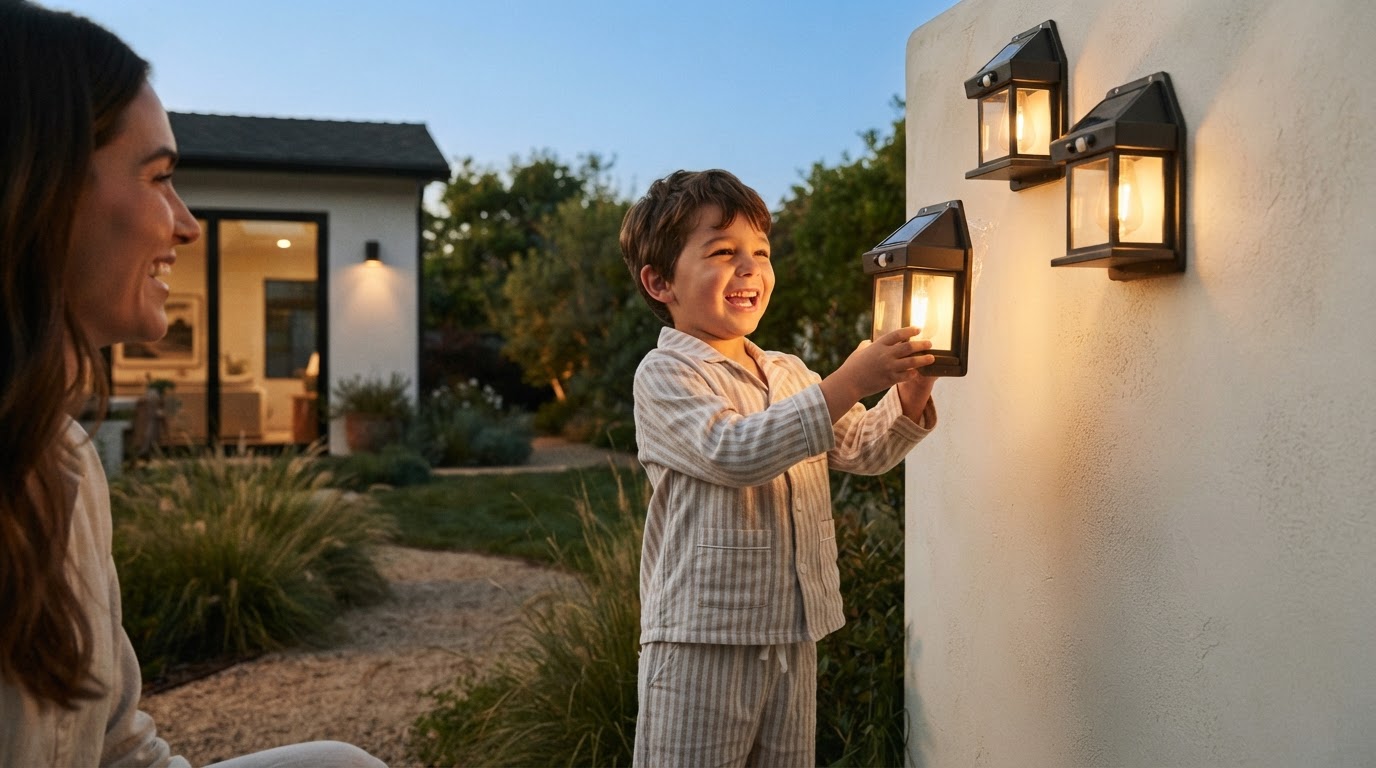
Five-Step Framework for Solar Outdoor Wall Lights
 Priya RamanSenior Analyst
August 15, 2026 — The shift toward sustainable exterior architecture has accelerated, placing Solar Outdoor Wall Lights at the center of modern residential design trends. As homeowners move away from complex hardwired systems, the demand for wireless, high-performance illumination has reached a new peak in the landscaping sector.
According to data from The Spruce, which recently analyzed performance metrics for the latest outdoor solar lights, the evolution of battery efficiency now allows these fixtures to serve as reliable primary accent sources rather than just decorative novelties. This shift requires a more analytical approach to placement and selection to ensure the lighting serves both aesthetic and functional purposes. When evaluating your home's exterior, think of it as a matrix of visibility and architectural depth. Two axes matter here: the intensity of the light spread and the duration of the discharge cycle. Once you see it this way, selecting the right fixture becomes a matter of technical alignment rather than guesswork.
The 5-Step Performance Matrix
To achieve professional-grade results, homeowners should follow a structured evaluation framework that prioritizes technical specifications over aesthetics. First, assess the solar exposure of the mounting surface; North-facing walls often require remote panels, while South-facing walls are ideal for integrated units. Second, verify the lumen output relative to the intended use. For accent lighting, a range of 50 to 200 lumens is standard, though motion-activated security variants can exceed 600 lumens. Third, scrutinize the IP rating to ensure longevity; an IP65 rating is the industry benchmark for waterproof solar wall lamps, protecting against dust ingress and low-pressure water jets. Fourth, consider the color temperature, where a 2700K to 3000K range provides the sought-after warm glow for residential facades. Finally, evaluate the battery capacity, typically measured in mAh, which dictates the runtime from dusk to dawn. Current market standards for black solar wall lanterns often feature lithium-ion batteries capable of 8-12 hours of continuous operation after a full day of sunlight. When designing house exteriors with solar outdoor wall lights, the decision rule is to match the fixture’s discharge rate with the local peak sun hours. A high-capacity warm white solar wall sconce set ensures that the architectural highlights do not fade before midnight, maintaining the home's curb appeal throughout the evening. Integrating solar fence wall lights can further extend this visual perimeter, creating layers of light that add perceived value to the property.
Expert tip: When installing dusk to dawn solar wall lights, ensure the internal photocell is not positioned directly beneath another light source, such as a street lamp or a powerful solar powered exterior wall light, as this can trick the sensor into thinking it is daytime and prevent the light from activating.
Selecting the correct hardware involves balancing technical reliability with the specific architectural needs of your space. By adhering to a framework that emphasizes IP ratings and lumen consistency, you ensure a durable and visually cohesive exterior.
Shop Solar Outdoor Wall Lights.
Sources
Photo by Duy's House of Photo on Pexels
- Solar Lights - Solar Powered Outdoor Lights - VOLT® Lighting
- Modern & Classic Outdoor Solar Wall Lighting | Gama Sonic
- Accent Lighting - EchoValley.com