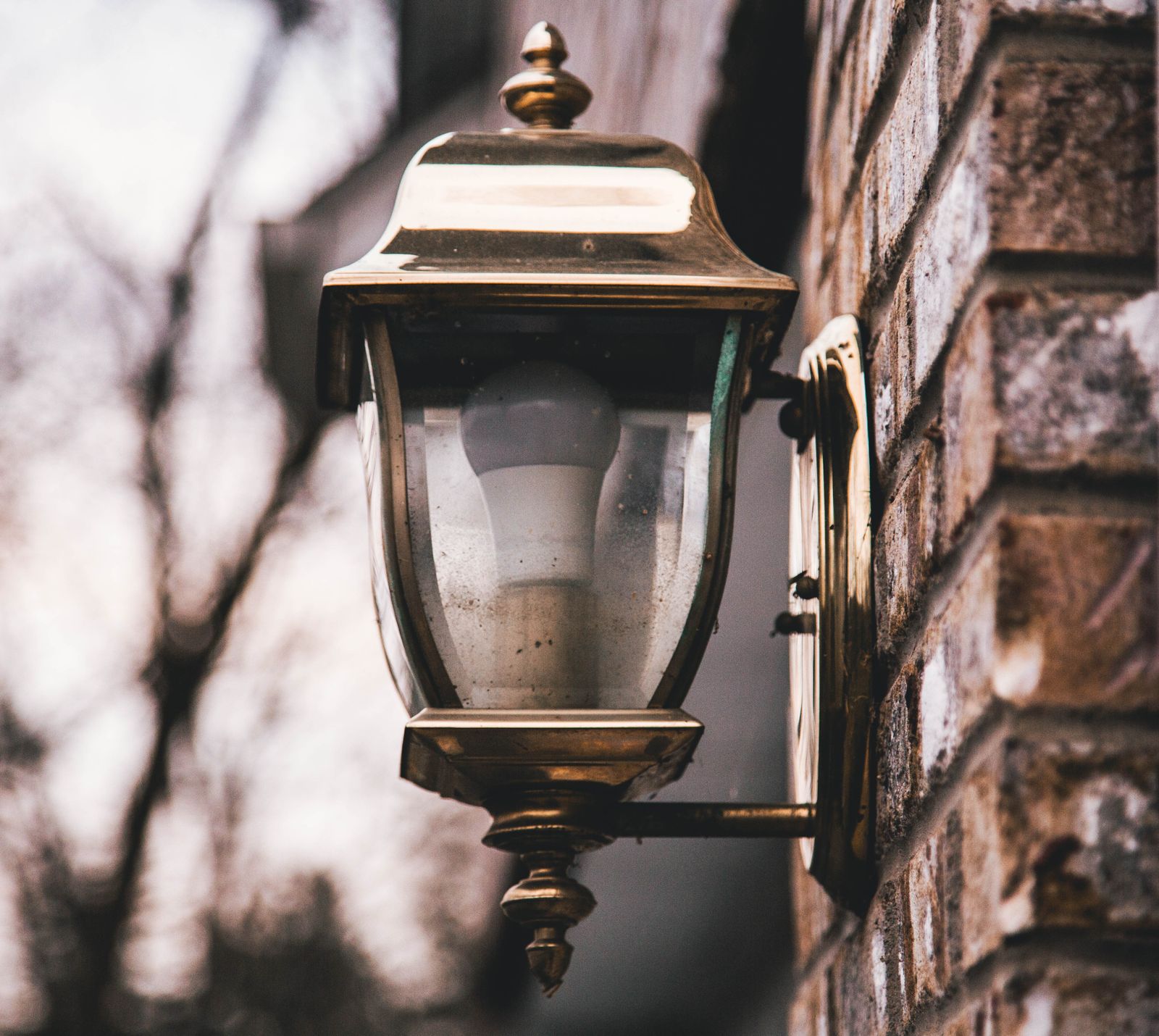
Solar Outdoor Wall Lights vs. Hardwired Fixtures: Home Value & Cost Comparison
Should you spend $150–$350 per fixture in electrician installation fees, or install zero-wire solar wall lights yourself? Solar wall lights deliver superior short-term ROI and immediate curb appeal for pre-listing home staging without utility costs or wall demolition. Hardwired fixtures suit luxury new builds with existing junction boxes, but wireless solar packs win for rapid, cost-effective exterior lighting upgrades.
Solar vs. Hardwired Exterior Lighting: Cost & Appraisal Matrix
| Scenario / Metric | Solar Wall Lights (4-Pack) | Hardwired Exterior Fixtures |
| --- | --- | --- |
| Pre-Listing Curb Appeal Staging (<30 Days) | High ROI: Installs in 15 minutes per light with zero permit delays or wall cutting. | Low ROI: Requires electrician scheduling ($150-$350/fixture labor) and potential drywall repairs. |
| Hard-to-Wire Surfaces (Brick, Stucco, Stone) | Ideal: Surface-mounts directly using standard wall anchors without conduit. | Difficult: High labor fees to drill junction boxes and run internal wire conduit. |
| Winter & Overcast Illumination | Reliable: High-efficiency poly-silicon panels and 2200mAh battery supply 8–10 hours runtime from ambient day light. | Constant: 100% immune to sunlight levels, powered continuously by home grid. |
| 5-Year Utility & Maintenance Cost | $0 grid energy cost; battery replacement every 3–5 years ($8–$12). | $45–$120 grid electricity per fixture plus periodic bulb/switch maintenance. |
| Primary Failure Mode | Shading / battery depletion if installed under deep north-facing eaves. | Tripped breakers, loose wire nut corrosion, or water intrusion causing short circuits. |
Compare total cost of ownership, installation friction, and real estate impact across common residential upgrade scenarios.
Pros & Cons: Weighing Immediate Savings Against Permanent Wiring
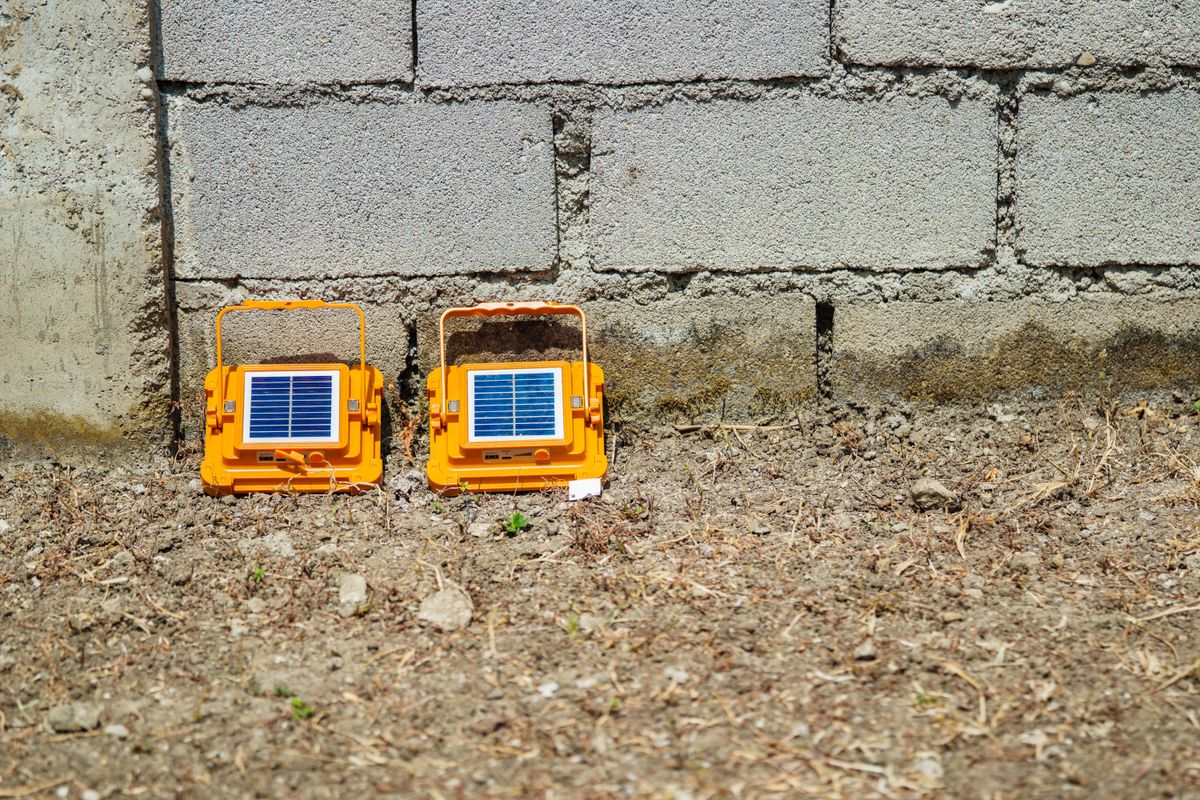
Photo by Nothing Ahead on Pexels
Pros
- Zero electricity costs: Uses poly-silicon solar panels to charge 3.7V/2200mAh batteries during 6–8 hours of daylight.
- Fast DIY installation: Mounts on brick, vinyl siding, stucco, or wood in under 15 minutes per fixture.
- Dusk-to-dawn automation: Integrated sensors turn lights on automatically at night and off at dawn.
- 3 versatile operational modes: Includes motion sensor mode (19FT detection distance) and ambient lighting settings.
- Customizable E26/E27 light bulb base: Allows easy LED bulb replacement or color temperature customization.
- Solar Failure Mode: Shaded north-facing walls receive insufficient sunlight, reducing night illumination duration.
- Hardwired Failure Mode: Corroded junctions or shorted wiring require expensive electrician diagnostic service calls ($100–$200/hr).
- Solar Output Limit: Brightness is governed by battery capacity (2200mAh) rather than unlimited grid power.
Expert Recommendation: Best Choice for Fast Exterior Staging
For 90% of homeowners looking to enhance nighttime safety and curb appeal without taking on electrical contractor bills, we recommend the 4 Pack Solar Outdoor Wall Lights.
Featuring IP65 waterproof housing, high-efficiency poly-silicon solar panels, and a standard E26/E27 light bulb socket, this pack delivers the classic architectural look of hardwired sconces with zero wiring hassle.
Exterior Lighting Upgrade ROI Calculator
Use this quick calculation framework to estimate your immediate savings when choosing wireless solar 4-packs over hardwired electrician retrofits.
Homeowner Upgrade Decision Tree
- Is there an existing, operational electrical junction box at the wall mounting site? → Yes: Hardwired fixture can be installed quickly if you are comfortable with basic wiring. If not, hire an electrician.. No: Proceed to next check.
- Does the target exterior wall receive 4 to 8 hours of direct or ambient daylight? → Yes: Choose 4-Pack Solar Outdoor Wall Lights for $0 electricity cost and a 15-minute wireless DIY installation.. No: Consider relocating the light fixture or running hardwired conduit if the area is permanently shaded.
- Are you listing your home for sale within the next 3 to 12 months? → Yes: Choose Solar Wall Light 4-Packs to maximize nighttime curb appeal while avoiding non-recoupable electrical labor expenses.. No: Either system works; choose solar for flexibility and lower utility bills.
Next Steps for Your Exterior Lighting Project
Your decision: Choose 4-pack solar outdoor wall lights for fast, high-ROI curb appeal upgrades without electrician fees, or hardwired lights if rewiring an existing junction box during major construction.
Do this next: Audit your exterior wall surfaces for 6–8 hours of daily daylight, select your desired lighting mode, and mount the wireless fixtures in under 15 minutes per light.
- Read next: Step-by-step guide to installing solar lights on brick and concrete walls
- Read next: How solar outdoor wall lights lower monthly electricity bills
4 Pack Solar Outdoor Wall Lights featuring Poly-silicon Solar Panels, Dusk-to-Dawn sensor, and 3 Motion Modes.
Take these simple steps to audit your wall surfaces and upgrade your home's exterior safety and curb appeal.
Key Takeaways: Home Appraisal and Installation Realities
Summary of critical facts regarding home value impact, labor savings, and performance requirements.
Sunlight Exposure Assessment Flowchart
- Which direction does the target exterior wall face? → Yes: South, East, or West facing walls receive prime sunlight; ideal for solar lighting.. No: North facing wall: check for open sky above overhangs..
- Does a deep roof overhang or porch awning extend more than 3 feet directly over the mounting spot? → Yes: Mount the light near the outer edge of wall or lower on the siding to clear shadow line.. No: Standard mounting height (6.5 to 8 feet) will capture sufficient ambient sun rays..
Common Failure Modes & Fixes for Outdoor Wall Lights
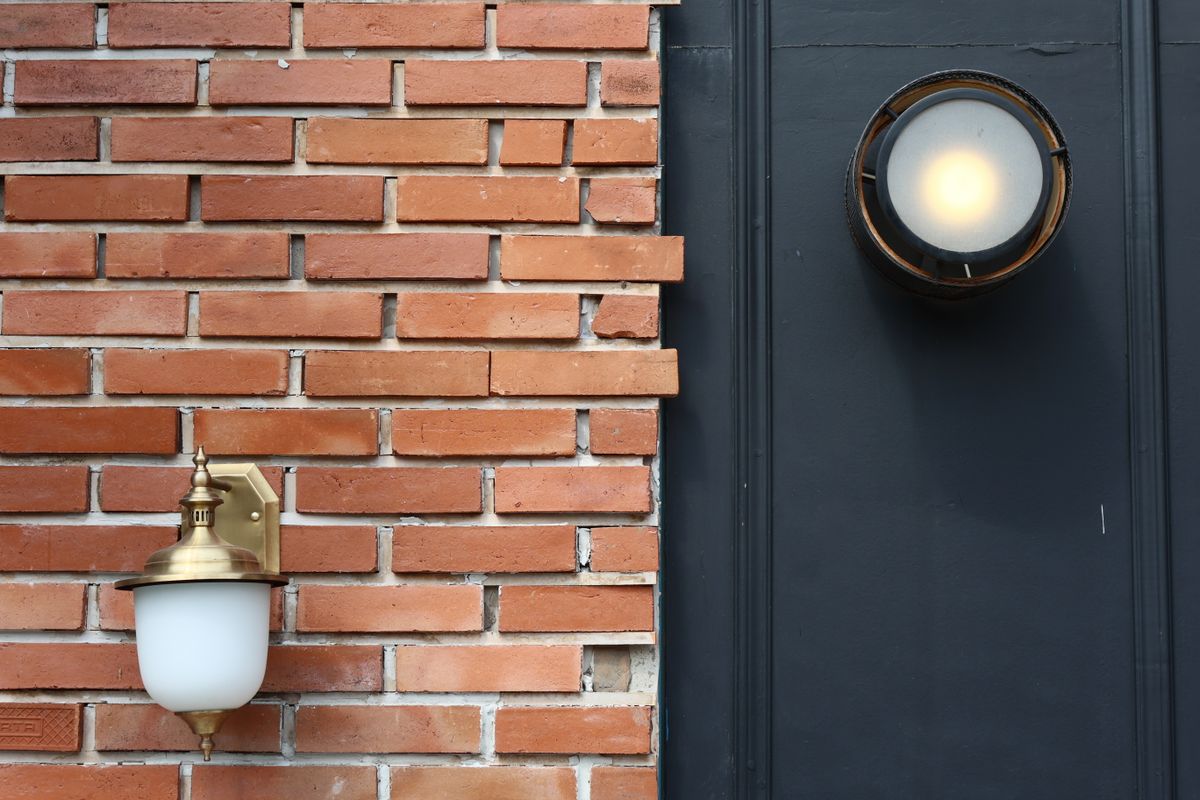
Photo by Bezalens JGP on Pexels
| System Type | Failure Mode | Root Cause | Immediate DIY Fix |
| --- | --- | --- | --- |
| Solar Light | Light shuts off early at night | Insufficient daytime charge or dirt accumulation on poly-silicon panel | Wipe solar panel top with damp cloth; ensure panel receives 6-8 hours sun |
| Solar Light | Motion sensor fails to trigger | Object beyond 19FT or mounting height exceeds 8 feet | Adjust mounting height to 6.5–8 feet for maximum induction sensitivity |
| Hardwired Light | Fixture trips circuit breaker | Water intrusion in electrical box or shorted hot wire | Turn off main breaker; call licensed electrician ($150+ service call) |
| Hardwired Light | Corroded mounting screws / housing | Inadequate IP weather rating or missing silicone seal | Replace entire fixture with IP65 waterproof rated housing |
Understand the most frequent failure points for both solar and hardwired lighting, along with immediate resolutions.
Decision Support Breakdown: Buying Criteria
Solar outdoor wall lights offer unmatched flexibility and cost efficiency for DIY upgrades, while hardwired fixtures make sense primarily during ground-up electrical rough-ins.
Best choice for
- 4-Pack Solar Outdoor Wall Lights — Adds architectural ambient lighting to garages, entryways, and deck perimeters in minutes without contractor scheduling.
- Wireless Solar Wall Lights — Avoids expensive exterior wall drilling, conduit runs, and internal drywall cutting.
- Avoid solar wall lights if the mounting site is inside a fully enclosed garage or permanently dark covered tunnel with zero sunlight access.
- Avoid hardwired retrofits if you want to complete exterior staging on a budget under $100.
- Low-Voltage Landscape Cable Lighting — Requires a central transformer and buried ground wires, offering a middle ground between hardwired 120V and wireless solar.
Featured Solution: 4-Pack Wireless Solar Outdoor Wall Lights
The all-in-one wireless lighting package designed for zero-effort exterior home transformation.
Real-World Installation Scenarios: Staging vs. Remodel
Scenario A: Preparing a Home for Open House Listings — Install a 4-pack of solar wall lights on garage flanks and the back porch deck. Photos taken at twilight showcase warm, secure illumination, boosting drive-by interest without spending $800+ on electrical labor.
Scenario B: Dark Brick Patio Pathways without Electrical Outlets — Mount wireless IP65 solar wall lights directly to brick mortar joints using included wall anchors. The 19FT motion sensor automatically illuminates pathways when family or guests step outside.
Scenario C: Ground-Up Architectural New Build — Pre-wire hardwired junction boxes during construction framing, but supplement perimeter fences and garden walls with solar wall lights for wireless lighting coverage.
How solar wall lights perform in actual home improvement situations.
When real estate appraisers and prospective home buyers evaluate a property at dusk, exterior lighting plays a disproportionate role in setting perceived quality, security, and maintenance standards. A dark porch or unlit garage entryway raises immediate safety questions.
The Math on Electrical Retrofits vs. Wireless Solar
Traditional hardwired wall sconces require a 120V electrical junction box behind the mounting surface. If your wall lacks pre-existing wiring, hiring a licensed electrical contractor in the United States typically costs between $75 and $125 per hour. Pulling wire through exterior insulation, drilling through brick or stucco, installing a box, and patching interior drywall easily pushes total installation costs to $200–$400 per fixture.In contrast, modern 4-pack solar outdoor wall lights require zero wiring or permits. Featuring upgraded poly-silicon solar panels, these lights capture ambient solar radiation during 6–8 hours of daytime exposure to power an internal 3.7V/2200mAh battery for 8–10 hours of continuous night operation.
E26/E27 Bulb Base Flexibility and IP65 All-Weather Durability
Historical complaints about early-generation solar lights centered on integrated, non-replaceable LEDs that looked dim or blue. Today's updated solar outdoor wall lights incorporate standard E26/E27 light bulb bases, letting homeowners choose warm filament aesthetic bulbs while benefiting from modern solar circuit efficiency.Built with IP65 waterproof and heatproof materials, these units withstand summer heatwaves, heavy rainstorms, and freezing winter weather without rusting or short-circuiting—making them a permanent exterior upgrade that pays for itself on day one.
For further insights into optimizing your exterior lighting setup, review our technical guidelines:
- Step-by-step guide to mounting solar lights on brick and concrete walls
- How solar outdoor wall lights lower monthly utility bills
- Placement strategies for maximum motion sensor coverage and curb appeal
Frequently Asked Questions
Answers to common homeowner questions regarding solar outdoor wall light performance, installation, and maintenance.