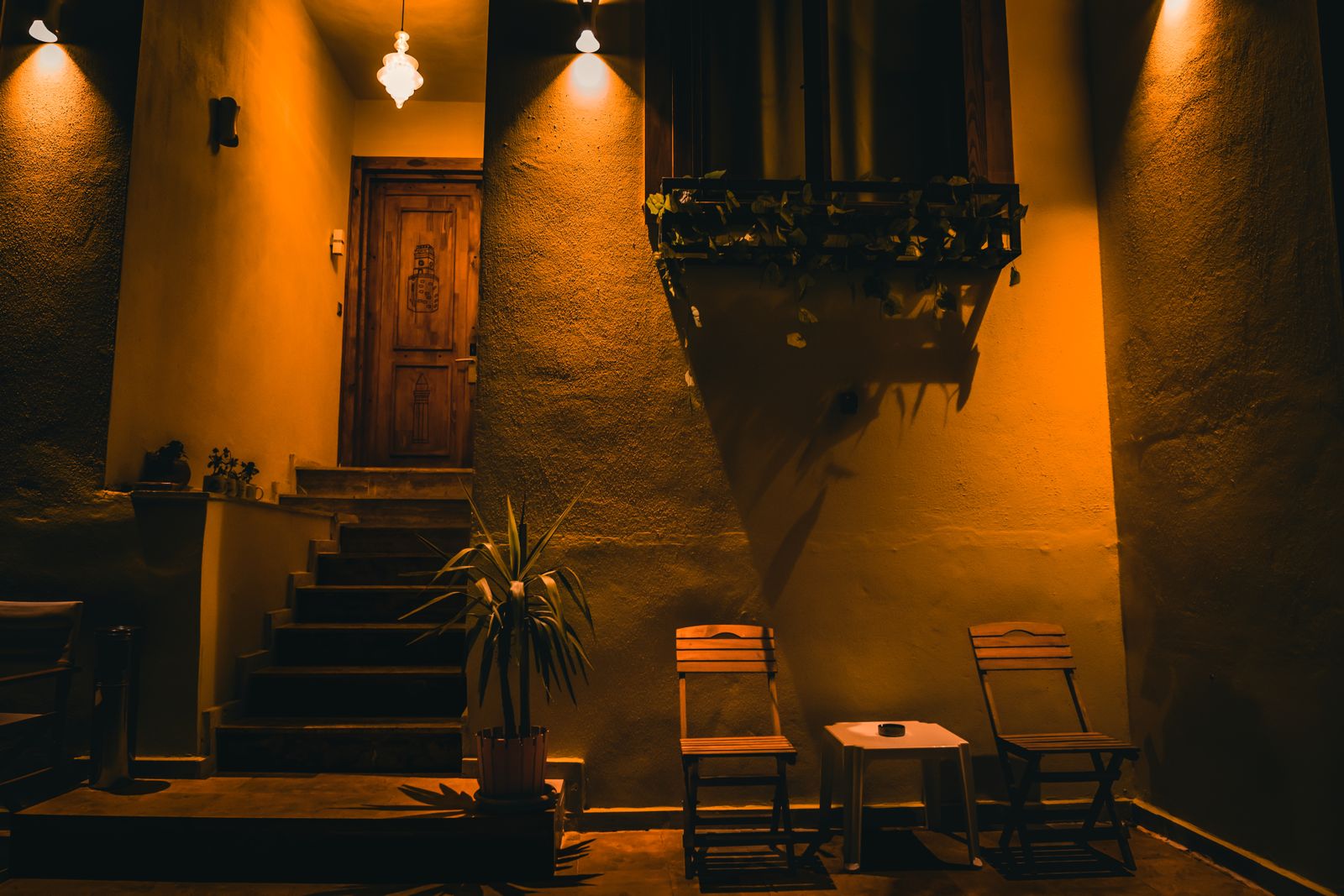
Patio and Porch Lighting Layout: How to Space & Position Solar Wall Lights
Contrary to the myth that solar outdoor wall lights can be spaced arbitrarily like hardwired fixtures, proper patio lighting requires mounting fixtures 5.5 to 6.5 feet high and 6 to 8 feet apart. This specific interval eliminates dark shadow gaps, ensures 19-foot motion sensor overlap, and maintains unshaded solar charging daylight exposure.
Patio Layout Blueprints & 19FT Motion Cone Diagrams
Proper spatial planning requires understanding both top-down coverage patterns and vertical elevation angles. Review the diagrams below to plan fixture placement around doors, posts, and perimeter walls.
Layout Strategies for Common Patio & Porch Shapes
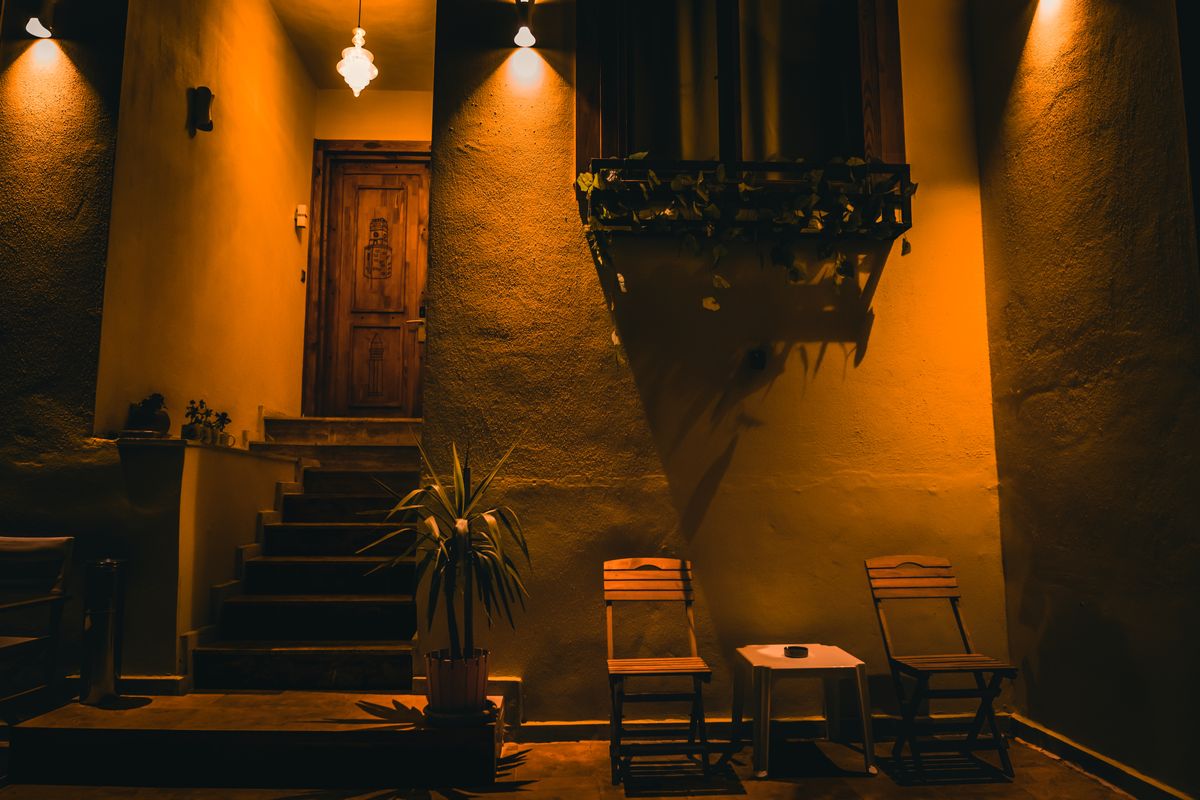
Photo by Ali Durmuş on Pexels
Small Entry Porch (8 to 12 ft wide) — Mount 2 solar wall lights flanking the main entryway doorway at 5.5 to 6 feet height. Position each light 12 to 18 inches away from the door frame to illuminate keyholes and steps without causing direct eye glare when stepping outside.
Linear Back Patio Wall (24 to 32 ft long) — Deploy a complete 4-pack set spaced evenly at 8-foot intervals. Place the first and fourth units 2 feet inward from wall corners to anchor the visual boundary, creating continuous light pool coverage across the seating zone.
L-Shaped Wrap-Around Deck or Outdoor Kitchen — Install fixtures at 6-foot intervals to accommodate higher activity and corner transition points. Ensure one light is mounted within 4 feet of the corner apex to prevent blind spots in motion induction.
Covered Veranda with Roof Overhang — Mount fixtures on outer corner posts or flush against exterior side walls where top poly-silicon solar panels retain direct sky exposure for 6–8 hours daily, avoiding deep roofline shadow bands.
Every outdoor wall layout presents unique spatial challenges. Match your patio configuration with the optimal mounting pattern below to maximize illumination and motion sensor sensitivity.
5 Layout Mistakes That Cause Dark Spots & Weak Solar Charging
Avoid these common spatial planning errors to ensure your solar outdoor wall lights operate at peak lighting brightness and full dusk-to-dawn runtime.
Visual Gallery: Real-World Solar Wall Light Layout Examples
Examine real-world installations demonstrating how proper spacing creates welcoming, balanced illumination across varied outdoor residential architecture.
Essential Rules for Patio Solar Light Design
- Standard Spacing: Space lights 6 to 8 feet apart for seamless beam overlap and shadow-free patio paths.
- Mounting Height: Install between 5.5 and 6.5 feet above ground level to optimize eye-level comfort and 19FT motion sensor response.
- Sunlight Requirement: Select wall locations receiving 6 to 8 hours of unobstructed sunlight for maximum 8 to 10-hour nighttime runtime.
- 4-Pack Efficiency: A standard 4-pack set covers up to 32 linear feet of patio perimeter wall space.
- Three Operational Modes: Switch between continuous ambient glow and full motion-triggered bright modes based on daily entertainment needs.
Printable Layout Planning Cheat Sheet
- Step 1: Measure total patio wall length with a tape measure.
- Step 2: Divide wall length by 7 to determine required fixture count.
- Step 3: Mark installation height at exactly 60–72 inches above finished patio floor.
- Step 4: Verify top panel clearance—ensure zero awning shadow between 10 AM and 4 PM.
- Step 5: Set power switch to Mode 1, Mode 2, or Mode 3 before final mounting.
Patio Solar Light Spacing & Pack Calculator
Use this layout planning tool to determine the exact number of solar wall light fixtures and 4-pack sets needed for your patio dimensions.
Spacing Strategy Matrix: Glare vs. Ideal vs. Dark Spots
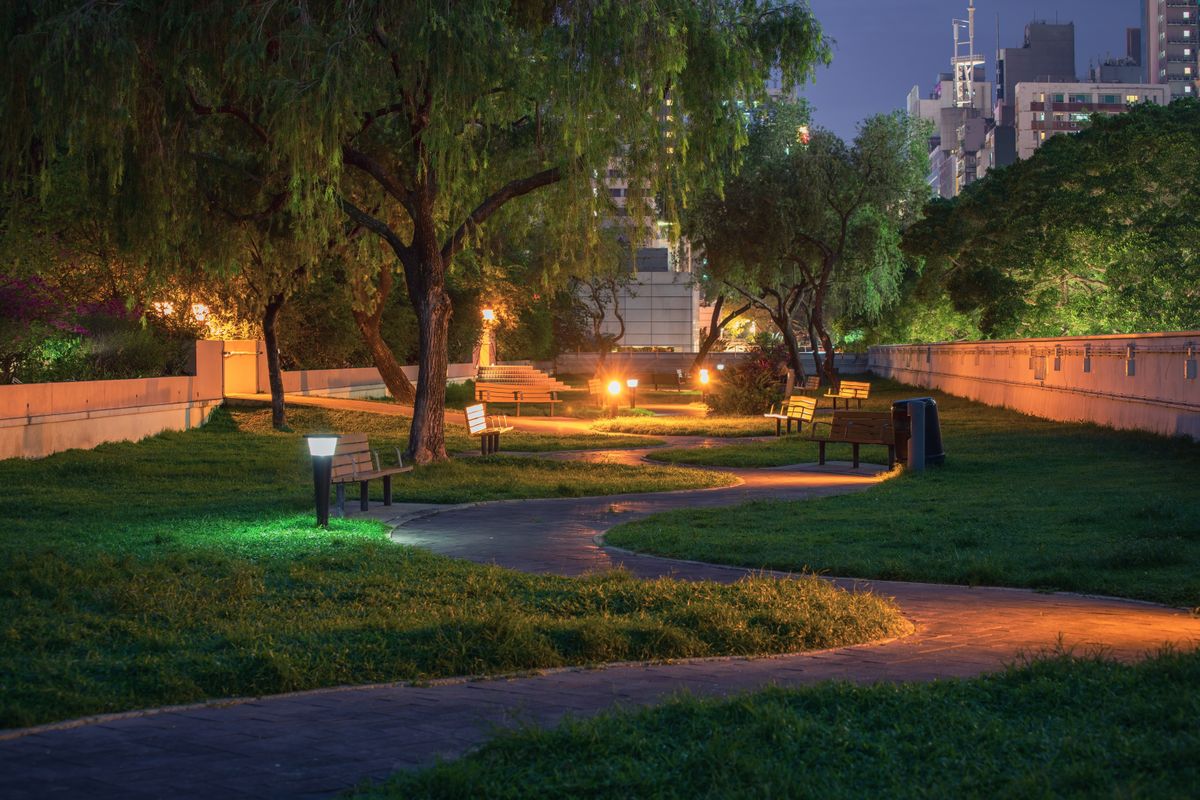
Photo by Gorma Kuma on Pexels
| Scenario / Spacing Distance | Visual Quality & Light Spread | Motion Sensor Coverage | Battery Efficiency Impact | Recommended Application |
| --- | --- | --- | --- | --- |
| Tight Spacing (< 5 Feet) | Overlapping hot spots, harsh glare, excess brightness | Redundant motion detection overlaps within 10ft | Higher battery draw if all units trigger simultaneously | Narrow entry vestibules or decorative architectural pillars |
| Ideal Spacing (6 to 8 Feet) | Smooth, continuous ambient illumination bridge with zero shadow gaps | Seamless 19FT motion induction coverage along walk paths | Optimal 3.7V/2200mAh charge distribution for 8-10 hour runtime | Standard patio walls, porch perimeters, decks, and side pathways |
| Wide Spacing (> 10 Feet) | Fragmented light pools with dark pitch-black gaps between fixtures | Dead zones where motion fails to activate between fixtures | Individual lights drain faster due to isolated high-frequency triggers | Long property fence lines or sparse accent lighting only |
Comparing layout intervals helps evaluate visual quality, battery life retention, and motion sensitivity across different wall configurations.
Pro Tip: Tangential Approach Vectors for Motion Activation
Passive infrared motion sensors register across-the-field movement far more effectively than straight-on approach. When planning your patio wall light positions, place fixtures where walking paths pass across the 19-foot detection arc rather than heading directly toward the lens. This guarantees instant light activation the second someone enters the patio perimeter.
Frequently Asked Questions About Patio Light Layouts
How far apart should I space solar outdoor wall lights on a patio wall?
Recommend spacing fixtures 6 to 8 feet apart for balanced light coverage without dark spots or excessive glare.
What is the best height to mount solar wall lights on a porch?
Mounting fixtures 5.5 to 6.5 feet above the ground provides ideal eye-level ambient spread while maximizing the 19-foot motion sensor trigger range.
Can I mount solar wall lights under a covered patio or roof overhang?
Solar lights can be mounted under overhangs only if the top solar panel receives at least 6-8 hours of direct daily sunlight. Otherwise, position lights near outer posts or roof edges.
How many solar lights come in a standard patio pack, and how much area does it cover?
A 4-pack covers up to 24 to 32 linear feet of wall space when installed at recommended 6 to 8-foot spacing intervals.
Which of the 3 lighting modes is best for patio entertainment?
Use ambient dim-to-bright or low continuous mode during social gatherings, then switch to full motion sensor mode overnight to conserve battery power.
Featured Solution: All-Weather 4-Pack Solar Wall Lights
Achieve the exact spatial coverage outlined in this guide with our updated wireless solar outdoor wall lights. Equipped with high-efficiency poly-silicon solar panels, an IP65 waterproof and heatproof housing, and a 19-foot motion sensor, this 4-pack provides effortless installation and complete dusk-to-dawn performance.
- Poly-Silicon Solar Panel: High conversion efficiency charging a 3.7V/2200mAh battery in 6-8 hours.
- 3 Intelligent Lighting Modes: Toggle easily between dim-to-bright motion, continuous dusk-to-dawn, and security motion settings.
- All-Weather IP65 Durability: Built to withstand rain, extreme heat, snow, and frost.
- Standardized E26/E27 Base: Modern aesthetics combined with durable wireless operation.
Your Action Plan: Measure, Order, and Install
Your decision: Choose the optimal spacing interval (6–8 ft) and confirm your patio wall receives 6–8 hours of unshaded daily sunlight.
Do this next: Measure your patio wall dimensions, run the Spacing Calculator, and select the required number of 4-pack solar wall light sets.
- Read next: Where to Position Solar Wall Lights for Maximum Sunlight and Optimal Security
- Read next: How to Install Wireless Solar Outdoor Wall Lights: A Step-by-Step DIY Guide
Order the All-Weather 4-Pack Solar Wall Lights featuring high-efficiency poly-silicon solar panels and 19FT motion sensors at https://solaroutdoorwalllights.com.
Transform your outdoor living space by finalizing your lighting layout today.