Pollen, Dust, and Water Spots: Solar Panel Cleaning FAQ for Homeowners
A 1-millimeter layer of accumulated pine pollen, airborne dust, or hard water mineral spots reduces solar panel charging efficiency by 15% to 35%, cutting nightly illumination from 8–10 hours down to under 4 hours. Wiping poly-silicon outdoor wall light panels with a damp microfiber cloth every 30 to 60 days restores full charging performance to the internal 3.7V/2200mAh battery without risking scratch damage or degrading IP65 waterproof seals.
Essential Maintenance Takeaways
Maintaining clean solar panels on your outdoor wall light fixtures requires understanding a few core numbers:
- 35% Efficiency Loss: Heavy spring pollen and dried irrigation spots block photon absorption, dropping battery charge efficiency by up to 35% within 30 days.
- 6 to 8 Hours Direct Sunlight: Poly-silicon panels require 6 to 8 hours of unobstructed sun exposure to deliver full 8 to 10 hours of illumination.
- 30 to 60 Day Cleaning Interval: Bi-monthly micro-cleaning with non-abrasive cloths keeps solar panels operating at peak performance year-round.
- Zero Chemical Cleaners: Harsh solvents, ammonia, and dry paper towels scratch anti-reflective coatings and degrade IP65 silicone seals.
- 50/50 Vinegar Protocol: Diluted white vinegar dissolves stubborn calcium and magnesium deposits without etching the panel glass cover.
Solar Wall Light Cleaning & Inspection Checklist
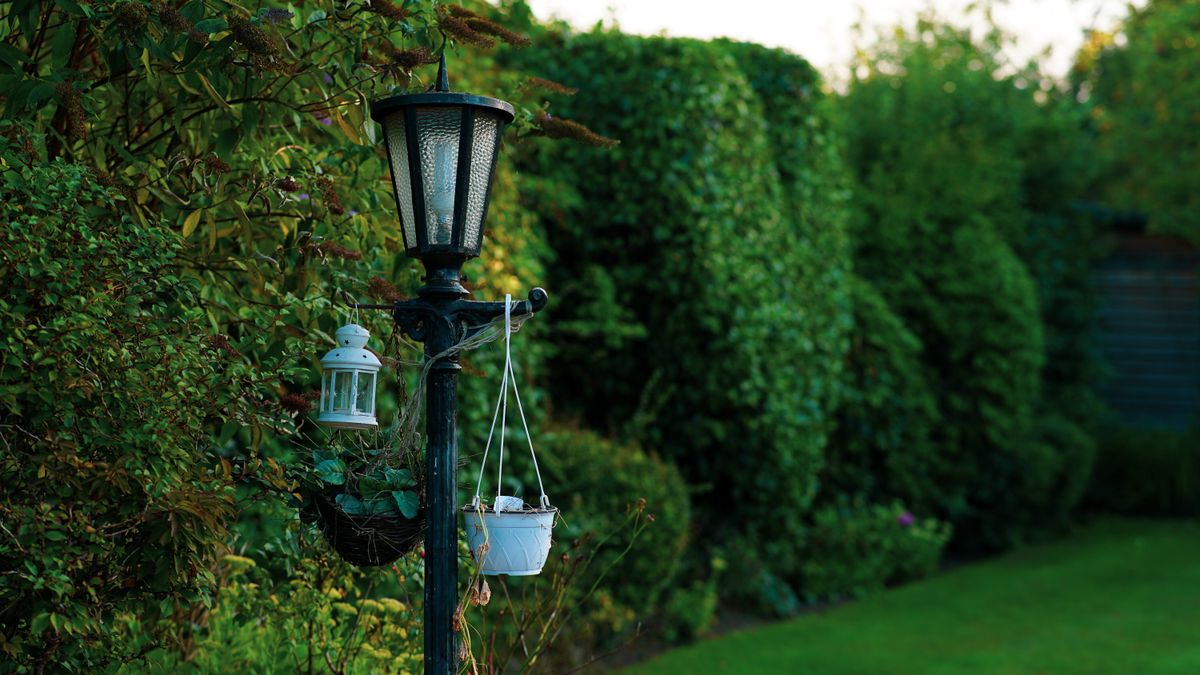
Photo by JINU JOSEPH on Pexels
- Turn off the power switch located on the bottom/back of the wall fixture before cleaning.
- Inspect the poly-silicon panel surface for visible pollen, film, dust, or white chalky mineral spots.
- Use a soft dry microfiber cloth to gently wipe away loose surface dust and loose pollen grains.
- Dampen a fresh microfiber cloth with distilled water (or 50/50 distilled water-vinegar for mineral spots).
- Wipe the panel glass in smooth, light strokes without pressing heavily into the housing frame.
- Check around the glass perimeter to ensure the IP65 rubber waterproof seal remains seated and intact.
- Turn the power switch back on and verify dusk-to-dawn motion sensor operation at nightfall.
Seasonal Maintenance Quick Reference Card
- Frequency: Wipe panels every 30 days during spring/summer; every 60 days in autumn/winter.
- Safe Solvents: Use distilled water or a 50/50 mixture of distilled water and white distilled vinegar.
- Prohibited Cleaning Tools: Never use paper towels, scouring pads, ammonia-based glass sprays, or pressure washers.
- Physical Seal Inspection: Confirm the perimeter rubber gasket sits flush to preserve IP65 weatherproofing.
- Optimal Charging Environment: Clear overhanging foliage within a 3-foot radius to ensure 6-8 hours of direct sun.
Expert Field Tip: Preventing Hard Water Spotting
Irrigation overspray from lawn sprinklers is the primary cause of permanent glass etching on solar wall lights. Tap water containing dissolved calcium and magnesium evaporates under direct sunlight, leaving mineral crystals behind. Over 90 days of sun exposure, these spots bake into the panel glass surface, permanently scattering up to 25% of incoming solar photons. Angle sprinkler heads downward away from exterior wall fixtures, and always rinse solar panels with distilled water after cleaning to avoid drying spots.
Debris Type vs. Solar Charging Symptom Matrix
| Visual Symptom | Debris Type | Efficiency Drop | Runtime Impact | Recommended Solution |
| --- | --- | --- | --- | --- |
| Yellow-green powdery layer across glass cover | Pine & Birch Tree Pollen | 20% – 30% drop | Light shuts off after 4–5 hours | Wipe with distilled water and damp microfiber cloth bi-weekly in spring. |
| Chalky white ring spots or cloudy film | Hard Water Sprinkler Overspray | 25% – 35% drop | Light shuts off after 3–4 hours | Apply 50/50 distilled water and white vinegar solution; let sit 2 mins, wipe soft. |
| Gritty grey dust layer or road film | Airborne Particulate / Soil Dust | 10% – 20% drop | Light shuts off after 6–7 hours | Dry wipe with microfiber to remove dust, followed by a damp rinse. |
| Sticky brown spots or tree sap specks | Aphid Honeydew / Tree Sap | 30% – 40% drop | Motion sensor fails / Light dim | Soak micro-towel in warm distilled water, rest on spot 3 mins to soften, gently wipe. |
Identify the cause of diminished solar wall light runtime by comparing physical symptoms on your panel cover with the diagnostic criteria below.
Poly-Silicon Solar Wall Light Technical Specifications & Tolerances
| Component / Feature | Technical Standard | Maintenance Operating Tolerance |
| --- | --- | --- |
| Solar Panel Type | High-Efficiency Poly-silicon | Resists UV degradation; surface scratch threshold high (use soft microfiber only) |
| Internal Battery | 3.7V / 2200mAh Rechargeable Lithium | Requires 6-8 hrs direct sunlight daily for 100% full capacity charge |
| Nighttime Illumination | 8 to 10 Hours Continuous / Sensor Mode | Drops to <4 hours when surface soiling blocks photon absorption |
| Ingress Protection Rating | IP65 Waterproof & Heatproof | Safe against rain and damp wipes; DO NOT subject to pressure washing (>30 PSI) |
| Bulb Base Compatibility | Standard E26 / E27 Socket | Inspect socket seating annual to prevent moisture intrusion |
| Motion Sensor Range | 19 Feet Induction Distance | Clear debris from PIR sensor lens during solar panel wipe-down |
Understanding the physical parameters of modern outdoor wall light panels ensures your maintenance practices do not exceed material tolerances.
Recommended Low-Maintenance Outdoor Solar Wall Lights
Upgrading to modern solar outdoor wall lights featuring updated poly-silicon solar panels makes outdoor maintenance effortless while providing high-efficiency lighting for your home.
Annual Solar Panel Cleaning & Inspection Schedule
- Early Spring (March – April) — Perform bi-weekly microfiber wipes during heavy tree pollen releases. Clear nearby branch growth to maximize solar absorption.
- Mid Summer (June – July) — Inspect for sprinkler hard water spots monthly. Treat mineral rings with 50/50 water-vinegar mix; re-align sprinkler heads away from fixtures.
- Late Autumn (October – November) — Wipe away fallen leaf residue, airborne dust, and spider webs. Check IP65 rubber seals before cold weather arrives.
- Winter (December – February) — Clear snow accumulation and ice crusting within 24 hours of snowfall using a soft cloth. Never use metal scrapers or salt solvents.
Side-by-Side: Safe vs. Damaging Solar Cleaning Methods
| Cleaning Agent / Method | Efficiency Recovery | Scratch & Coating Risk | IP65 Seal Safety | Overall Safety Rating |
| --- | --- | --- | --- | --- |
| Distilled Water + Soft Microfiber Cloth | 98% – 100% | Zero Risk | 100% Safe | Recommended / Ideal |
| 50/50 Distilled Water & White Vinegar | 95% – 100% (Dissolves Mineral Scale) | Zero Risk | 100% Safe | Recommended for Water Spots |
| Tap Water + Paper Towel | 70% – 80% (Leaves New Water Spots) | Moderate (Wood Fibers Scratch Coating) | Safe | Not Recommended |
| Ammonia Glass Cleaner + Scrub Sponge | 60% – 70% (Strips Protective Layer) | High Risk (Micro-etching) | Degrades Rubber Gaskets | Dangerous / Prohibited |
| High-Pressure Pressure Washer | 90% | High Risk (Impact Damage) | Destroys IP65 Waterproof Seal | Dangerous / Prohibited |
Comparing common cleaning tools and methods reveals why soft, chemical-free wiping is critical for preserving solar panel life.
6 Maintenance Mistakes That Destroy Solar Wall Light Efficiency
Avoid these common mistakes to prevent irreversible glass etching, seal damage, and premature battery degradation.
Timeline: How Solar Soiling Accumulates Over 90 Days
- Day 1 (Clean Panel) — 100% solar intake efficiency; battery charges fully in 6-8 hours; illumination lasts 8-10 hours dusk-to-dawn.
- Day 30 (Light Pollen/Dust) — 88% solar intake efficiency; battery charge drops by 12%; night illumination reduces to ~7 hours.
- Day 60 (Moderate Film & Mineral Spots) — 73% solar intake efficiency; battery charge drops by 27%; illumination cuts off after 4.5 to 5 hours.
- Day 90 (Heavy Accumulation) — 61% solar intake efficiency; battery charge drops by 39%; illumination drops under 3.5 hours, causing dim or flashing light.
Frequently Asked Questions: Cleaning Solar Outdoor Wall Lights
Answers to common homeowner questions regarding solar wall light maintenance, water spot removal, and rating protections.
Immediate Action Plan for Dim Solar Wall Lights
Your decision: Determine if your outdoor wall lights are dimming due to surface panel soiling or battery depletion.
Do this next: Perform a simple 5-minute microfiber wipe-down with distilled water to test if charging efficiency and 8-10 hour dusk-to-dawn runtime return.
- Read next: How to Clean Solar Outdoor Wall Lights for Maximum Daily Charging Efficiency
- Read next: Why Are My Solar Wall Lights Not Staying On All Night? Dirt and Charging Solutions
Upgrade to low-maintenance 4 Pack Solar Outdoor Wall Lights with IP65 weatherproofing and updated poly-silicon panels.
Follow these practical steps to restore your outdoor lighting system to full brightness today.