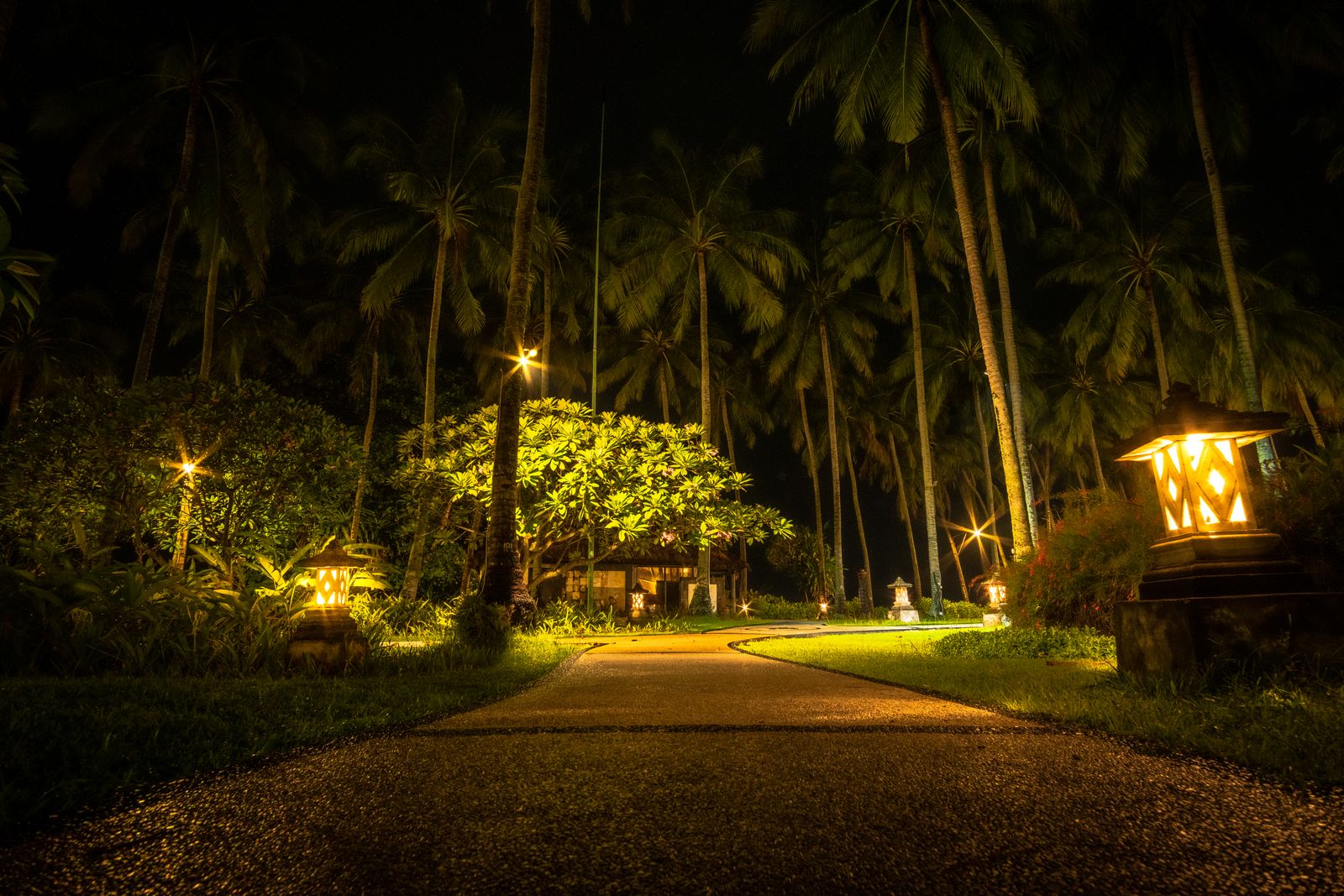
Solar Motion Sensor Lights vs. Hardwired Security Lights: Porch Comparison
Should you choose solar motion sensor lights or hardwired security lights for your porch? Hardwired lights fail completely during neighborhood power outages and require $150–$350 per fixture in electrician labor, while solar wall lights fail under deeply shaded, covered porches receiving under 3 hours of direct daylight. For sunlit entryways, solar motion sensor lights deliver zero-cost DIY installation, grid-independent emergency lighting, and automatic dusk-to-dawn operation.
Feature & Performance Comparison by Scenario
| Scenario / Factor | Solar Motion Sensor Wall Lights (4-Pack) | Traditional Hardwired Security Lights | Best Choice & Rationale |
| --- | --- | --- | --- |
| Grid Power Outage | Operates independently via 3.7V/2200mAh battery; maintains security lighting. | Fails completely unless backed up by a costly whole-home generator system. | Solar Wall Lights — Grid independence ensures continuous security during severe storms. |
| DIY Installation (<$100 Budget) | Wireless surface mounting using screws or siding hooks; zero electrical skills needed. | Requires junction boxes, conduit trenching, wall cutting, and $150–$350/hr electrician fees. | Solar Wall Lights — Eliminates professional labor costs and structural wall alterations. |
| Deeply Shaded / Covered Porches | Battery depletes if poly-silicon panel receives less than 3 hours of direct sunlight daily. | Receives constant 120V household power regardless of roof overhangs or tree canopy. | Hardwired Lights — Essential for perpetually shaded alcoves lacking daylight access. |
| Multi-Point Perimeter Coverage | Includes 4 matching fixtures with 19FT motion detection; easily mounted anywhere. | High cost per location; running wire to remote fences, decks, or detached garages is expensive. | Solar Wall Lights — Cost-effective multi-pack perimeter defense without wire runs. |
| 5-Year Total Cost of Ownership | $0 ongoing electricity costs; zero wiring maintenance; simple bulb/battery swap after years. | Continuous utility draw ($15–$40/yr per fixture) plus potential rewiring or switch repairs. | Solar Wall Lights — Zero operating costs result in full payback within 3 to 6 months. |
Evaluating how solar and hardwired fixtures perform across real-world residential installation and weather scenarios highlights clear trade-offs in labor, grid reliance, and maintenance.
Strengths, Trade-Offs & Critical Failure Modes

Photo by Artūras Kokorevas on Pexels
Pros
- Solar: Zero electrical wiring or expensive electrician permit fees required.
- Solar: High-efficiency poly-silicon panels charge fully in 6-8 hours for 8-10 hours of light.
- Solar: Built-in thermal motion sensor offers a wide 19FT induction detection radius.
- Solar: IP65 waterproof and heatproof casing withstands heavy rain, snow, and summer frost.
- Hardwired: Continuous 120V power guarantees unlimited runtime regardless of weather.
- Hardwired: Works under fully enclosed roof soffits with zero natural sunlight.
- Solar Failure Mode: Deeply shaded roof overhangs prevent poly-silicon panels from accumulating full charge.
- Solar Failure Mode: Mounting above 10 feet reduces the thermal sensitivity of the 19FT motion sensor.
- Hardwired Failure Mode: Complete blackouts leave home entryways unlit and vulnerable.
- Hardwired Failure Mode: Corroded copper wiring or blown junction box fuses require costly repairs.
Which System Should You Buy?
For 85% of homeowners looking to upgrade entryway lighting, secure perimeter pathways, or illuminate garage side doors, 4-Pack Solar Powered Porch Lights provide the optimal balance of performance, safety, and savings.
- Choose Solar Wall Light Multi-Packs if: Your porch wall or pathway receives at least 4 to 6 hours of direct sunlight, you want to avoid hiring an electrician, and you desire emergency lighting during power grid failures.
- Choose Hardwired Fixtures if: Your mounting location sits under a deep, permanent shadow (such as an enclosed porch ceiling) with zero daylight exposure, and an active electrical junction box is already installed.
Porch Light Selection Flowchart
- Does the intended mounting wall receive at least 4–6 hours of daylight exposure? → Yes: Go to Question 2. No: Select Hardwired Security Lights (or Solar Lights with detachable remote panels).
- Is there an existing electrical junction box and wall switch at the exact mounting spot? → Yes: Go to Question 3. No: Select Wireless Solar Motion Sensor Wall Lights (Saves $150–$350 in wiring costs).
- Do you want security lighting that stays illuminated during city power outages? → Yes: Select Wireless Solar Motion Sensor Wall Lights (Grid-Independent).. No: Either Hardwired or Solar will meet your baseline lighting needs.
Essential Takeaways for Homeowners
- Zero Labor Expense: Installing a 4-pack of solar outdoor wall lights takes under 15 minutes using basic mounting hardware, avoiding electrician costs entirely.
- 19-Foot Motion Security: Integrated thermal PIR sensors detect movement up to 19FT away, automatically toggling from eco-standby to high brightness.
- Grid Failure Resilience: Powered by a high-capacity 3.7V/2200mAh battery, solar fixtures keep your home illuminated when storm blackouts knock out grid power.
- All-Weather IP65 Rating: Dustproof, waterproof, and heatproof housing protects internal electronics against freezing winters and burning summer sun.
- Flexible 3-Mode Optics: Toggling the power switch lets you choose between high-brightness motion activation, continuous dusk-to-dawn low light, or flicker decorative modes.
Detailed Buyer Decision Support & Workarounds
Hardwired security lights offer unbroken continuous illumination where electrical wiring already exists, but require expensive professional installation and fail during power outages. Solar motion sensor lights eliminate wiring costs, function during grid failures, and offer easy DIY mounting, provided the installation spot receives 6-8 hours of daylight.
Best choice for
- Solar Motion Sensor Lights — Requires no electrical wiring, zero ongoing utility costs, and simple surface mounting without damaging structural facade.
- Hardwired Security Lights — Relies on house grid power rather than solar panel exposure to charge internal batteries.
- Avoid solar wall lights if the mounting spot receives less than 3 hours of daylight year-round under heavy soffit overhangs.
- Avoid hardwired lights if you do not have an existing junction box and want to avoid $150–$350 per fixture electrician fees.
- Solar Wall Light Multi-Packs with Remote Solar Panels — Allows panel placement in sunny roof areas while keeping the light fixture under shaded porch overhangs.
Recommended Solution: 4-Pack Wireless Solar Outdoor Wall Lights
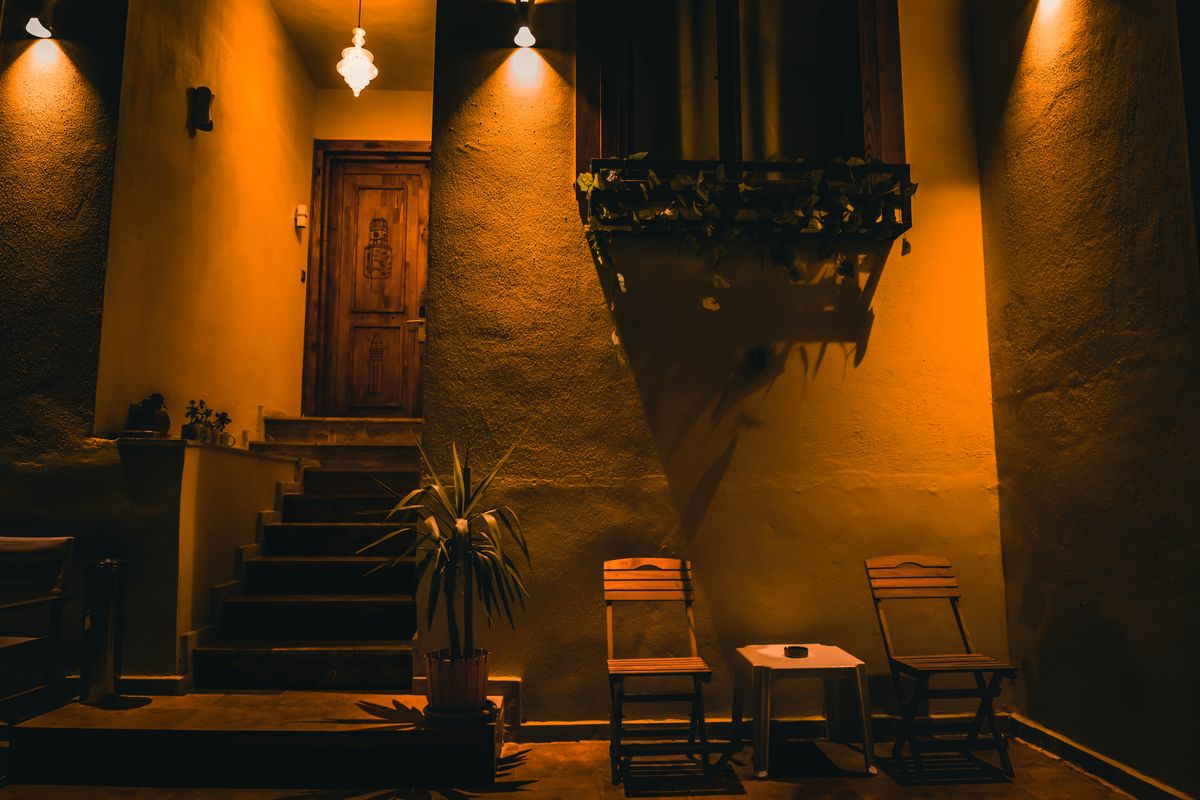
Photo by Ali Durmuş on Pexels
Upgrade your home's exterior security and visual appeal without running wires or paying monthly electric bills. This complete 4-fixture kit includes updated poly-silicon solar panels, dusk-to-dawn automation, and multi-mode PIR motion sensing.
Real-World Use Cases: Vinyl Siding, Brick Entryways & Covered Porches
Mounting on Vinyl or Lap Siding — Use zero-drill vinyl siding hooks or standard stainless steel wall screws included in the pack. Because solar wall lights require no electrical junction box cutouts, mounting takes 2 minutes per fixture without compromising siding weather barriers.
Brick, Concrete, or Masonry Walls — Drill a 1/4-inch pilot hole and insert the provided plastic masonry anchors. Solar wall lights eliminate the need to chisel out deep brick pockets for electrical boxes or run heavy armored conduit across exposed masonry.
Deep Front Porch Overhangs & North-Facing Walls — If your front porch roof extends more than 6 feet forward, place solar wall lights on outer supporting posts, side garage walls, or deck railings that receive open sky exposure rather than directly under deep roof soffits.
How solar wall light packs perform across common American home exteriors and architectural layouts.
When comparing solar outdoor wall lights against traditional hardwired security fixtures, the decision boils down to three primary criteria: upfront ROI, grid independence, and illumination optics.
1. Upfront Installation Costs & Electrical Labor Savings
The single greatest drawback of hardwired exterior lighting is installation labor. If your home lacks pre-wired junction boxes at a specific wall location—such as a side pathway, back patio, or detached shed—installing hardwired fixtures requires an electrician. In the United States, national average labor rates for residential electrical work range between $75 and $150 per hour, with a typical exterior fixture install costing $150 to $350 per location in labor, wire routing, drywall cutting, and permits.In contrast, a 4-pack of solar outdoor wall lights costs less than a single hour of electrician labor. Because each light houses its own high-efficiency poly-silicon panel and 3.7V/2200mAh battery, installation is 100% wireless. Homeowners simply secure the mounting bracket using two screws into wood, vinyl siding, stucco, or brick. The total installation time for all four fixtures is under 20 minutes, yielding an immediate savings of $600 to $1,400 across a four-light perimeter setup.
2. Grid Failure Resilience & Severe Weather Performance
Traditional hardwired security lights rely entirely on your municipal power grid. During severe thunderstorm events, winter ice storms, or hurricane blackouts—precisely when exterior security and visibility are most critical—hardwired lights go dark unless tied into an expensive automated home generator system.Solar outdoor wall lights operate completely off-grid. During daylight hours, the top-mounted poly-silicon solar panel absorbs solar radiation, converting sun rays into stored direct-current energy inside the internal 3.7V/2200mAh lithium-ion battery. A 6 to 8-hour daily charge yields 8 to 10 hours of continuous nighttime illumination. During power outages, solar lights turn on automatically at dusk, maintaining safety around garage doors, walkways, and patio steps.
Furthermore, exterior fixtures must endure brutal seasonal weather variations. Quality solar wall lights feature an IP65 waterproof and heatproof rating. The IP65 enclosure certification ensures total dust ingress protection and resistance against high-pressure water jets, rain, sleet, and freezing snow melt.
3. Motion Detection Range & Flexible Lighting Modes
Early generations of solar lights suffered from dim output and short battery life. Modern solar wall lights overcome this by pairing high-efficiency E26/E27 LED optics with intelligent Passive Infrared (PIR) motion sensors.Featuring a 19-foot (19FT) induction range, the integrated motion sensor scans an expansive arc in front of your doorway or garage. Homeowners can toggle between three distinct operational modes via the weatherproof power switch:
By matching the operational mode to your specific wall location, solar motion sensor lights provide targeted security where you need it, and ambient aesthetic warmth where you want it.
Frequently Asked Questions
Answers to common homeowner questions regarding solar porch light charging, siding mounting, motion ranges, and winter performance.
Recommended Next Steps & Action Plan
Your decision: Choose Solar Motion Sensor Wall Lights if your porch wall gets 4 to 6 hours of daily daylight and you want zero-cost DIY installation without hiring an electrician.
Do this next: Measure direct daylight hours on your porch wall and select mounting spots within a 19-foot detection radius of key walkways.
- Read next: How to Position Outdoor Motion Sensor Lights for Optimal Security
- Read next: Step-by-Step DIY Wireless Solar Wall Light Installation Guide
4-Pack Solar Outdoor Wall Lights featuring high-efficiency poly-silicon solar panels, IP65 waterproofing, and 3 motion modes.
Take these simple steps to audit your porch exposure and upgrade your home's exterior security lighting today.