Aootek Motion Lights and Solar Outdoor Wall Light Efficiency
 Priya RamanSenior Analyst
October 24, 2026 — A significant price reduction on Aootek 120-LED Solar Motion Sensor Outdoor Lights has triggered a shift in the residential lighting market. Consumers are currently evaluating high-density LED arrays against integrated solar wall systems to optimize perimeter security and energy consumption.
To evaluate these options, think of it as a matrix of two primary dimensions: Lumens-per-Watt efficiency and Operational Autonomy. Two axes matter here: the charging-to-illumination ratio and the environmental durability rating. By plotting hardware on this 3-axis model—considering charging time, discharge duration, and IP-rating—we can determine the true value of a lighting installation beyond the initial purchase price.
Recent market activity highlights this shift toward budget-friendly security. According to Slickdeals.net, Aootek-US via Amazon is offering a 2-pack of 120-LED Solar Motion Sensor Outdoor Lights for $6.99 when applying a specific promotional code at checkout. This pricing strategy targets the entry-level security segment, providing white and warm light options for under four dollars per unit. However, high-volume LED counts require robust power management to maintain performance through the night.
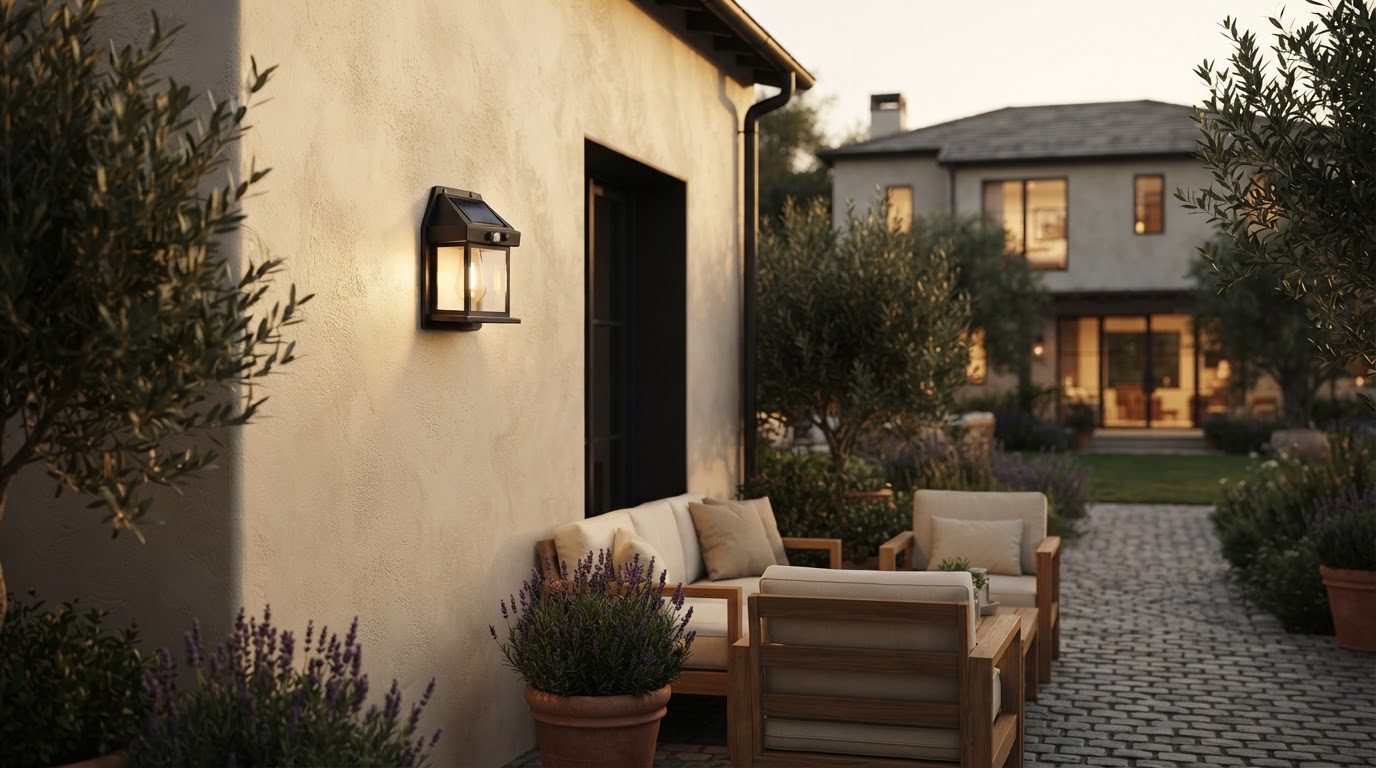
In contrast, the Solar Outdoor Wall Lights 4-pack utilizes high-efficiency Poly-silicon Solar Panels designed for a specific 6-8 hour charging cycle. Once you see it this way, the distinction between a high-LED count and a high-efficiency panel becomes clear. While the Aootek units focus on motion-triggered bursts, integrated wall lights prioritize a consistent dusk-to-dawn performance. According to Slickdeals.net, the current Aootek promotion includes free shipping for Prime members or on orders exceeding thirty-five dollars, making it a low-barrier entry for those testing solar motion sensor placement.
Expert tip: When installing units like the Solar Outdoor Wall Lights in extreme climates, verify the IP65 waterproof and heatproof ratings. For optimal longevity, ensure the poly-silicon panels are angled to receive direct sun rays for at least six hours, as this directly dictates the 8-10 hour illumination window required for reliable security.
Selecting the right hardware depends on the specific use case. For high-traffic areas requiring immediate visibility, motion-triggered arrays are effective. For consistent architectural lighting and perimeter safety, dedicated wall units offer superior stability. The decision rule: Choose motion sensors for intermittent utility paths and high-efficiency poly-silicon wall lights for continuous dusk-to-dawn coverage.