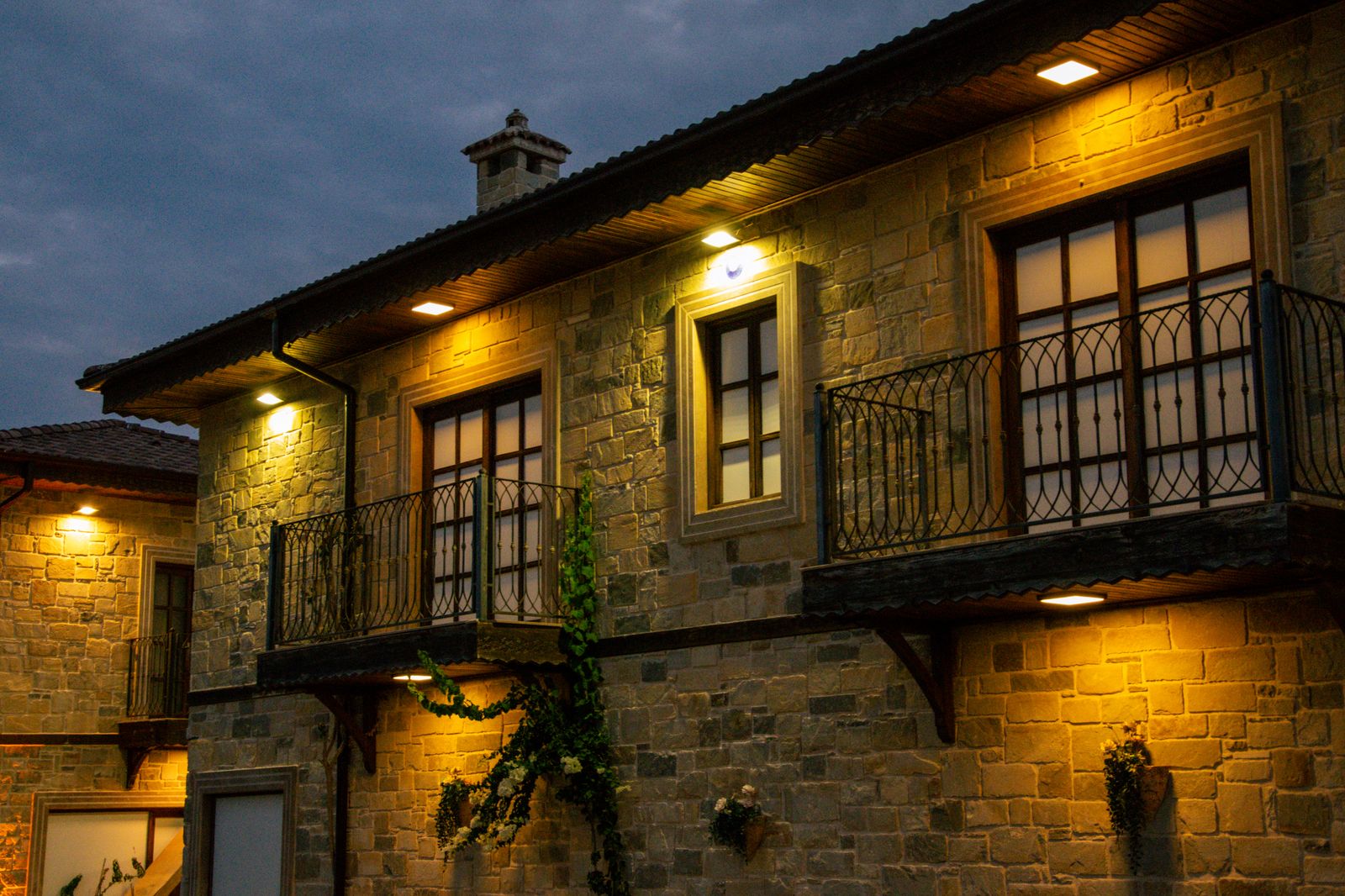
All-Season Outdoor Solar Lighting FAQ: Performance in Rain, Snow, and Extreme Heat
Solar outdoor wall lights work in rain, snow, and extreme heat when the housing is IP65 and heatproof, the poly-silicon panel is kept clear, and the 3.7V 2200mAh cell still gets a real 6-8 hour charge on the days the sky allows it. Solar Outdoor Wall Lights are a wireless 4-pack for walls, patios, porches, and garage jambs. Rain is in class. Snow is fine on the housing and fatal on a buried face. Heat is fine with airflow and fatal in a sealed soffit.
Rain is the rating; wind-driven spray is still a wall job
IP65 means dust-tight and jet-resistant. A thunderstorm on a flush black frame is the intended weather. Mount with screws and wall anchors so the housing does not lean into a drip line. Do not build a caulk dam that holds a pond against the back plate.
After rain, wipe grit off the poly-silicon face so the next charge day is not a mud day. Dusk-to-dawn control will still switch at night if the cell was filled before the front moved in.
The dusk-to-dawn performance article is the clear-weather companion; this FAQ is the ugly-weather one.
Snow and winter sun are a charge story
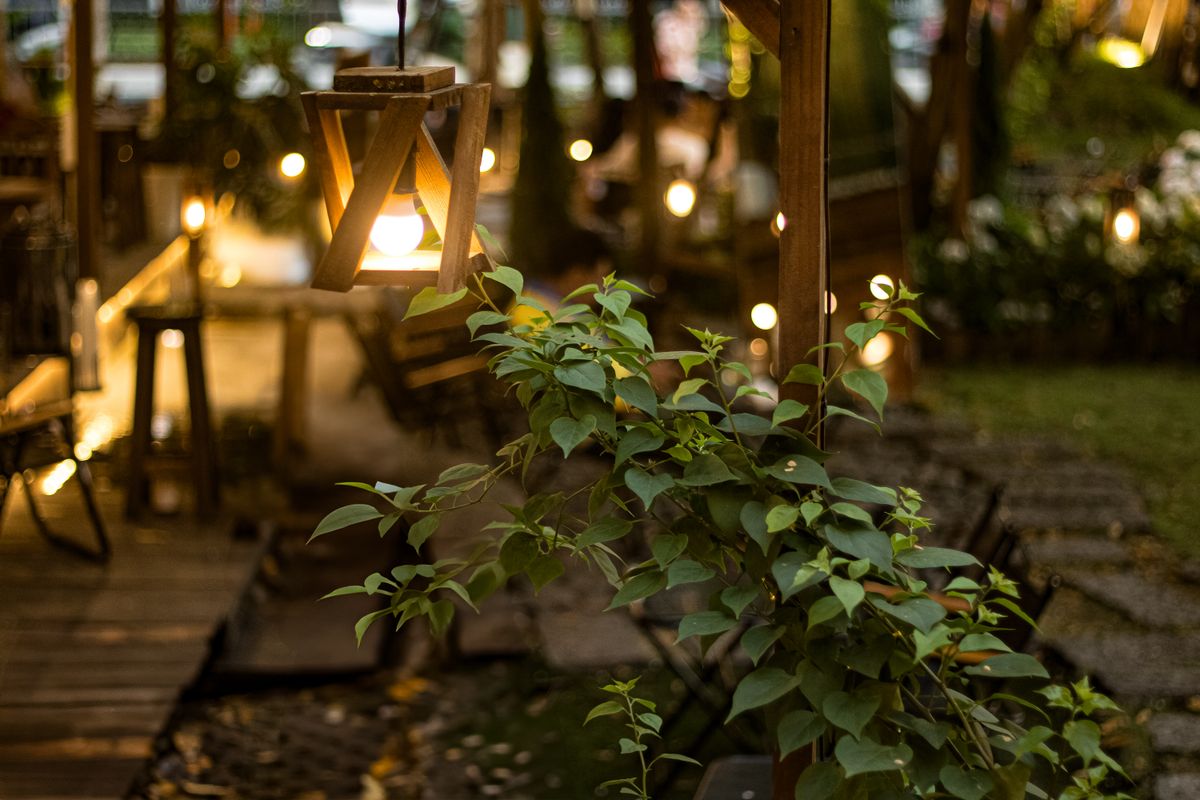
Photo by Duy's House of Photo on Pexels
Cold does not turn an IP65 wall light off. A panel under a snow cap does. Brush snow off with a glove, not a scraper into the lens. Short winter days may not deliver a full 6-8 hour charge. Expect the 8-10 hour runtime only after a full fill. Motion-sensor mode is the winter default so the 19 ft walk still lights and the cell is not asked to glow empty lawn until midnight.
A north wall that was marginal in June is a dark fixture in December. Use the 4-pack on south and west winter sun if the goal is all-season light. E26/E27 is still just the base type; it does not add a winter heater.
Extreme heat is airflow plus mode
Heatproof housing is the summer ticket, not a closed brick niche. Leave air around the fixture. A west wall at 4 p.m. will cook a lamp that cannot shed heat even if the panel is filling fast. Motion-sensor mode keeps the LEDs from sitting at 200-600 lumens all night in a heatwave.
Wireless means no extra attic circuit adding heat. It also means the only recovery after a brutal week is still the poly-silicon face. Keep it clean. Dust is a blanket.
Three seasons, one 4-pack, four independent cells
Do not aim every lamp at the same problem wall. Put motion-sensor units on the winter-sun approaches. Put flicker or dusk-to-dawn glow on a summer sitting porch that actually sees sky. If one lamp lives on a rain-lashed corner, check its seals after storms; the others can stay in easier weather.
Lumens stay in the 200-600 range in every season. Brightness claims do not change with the calendar. Charge does.
Seasonal jobs for an IP65 solar wall light
| Season | What works | What fails | | --- | --- | --- | | Hard rain | Flush IP65 wall mount | Fixture in a puddle or caulk dam | | Snow | Brushed panel, motion-sensor mode | Buried face, north-only shade | | Heatwave | Heatproof housing, airflow, motion mode | Dead-air soffit, dirty panel | | Short winter days | South or west sun, realistic runtime | Expecting 8-10 hours after a 2-hour fill | | Shoulder seasons | 6-8 hour charge, dusk-to-dawn glow | Ignoring pollen film on the face |
All-season is maintenance, not a different SKU
The same wireless 4-pack is the rain light, the snow light, and the heat light. The habits change: brush, wipe, aim, and pick the mode. Three lighting modes with a motion sensor exist so the cell can match the night. IP65 and heatproof exist so the shell can match the sky.
Skip bringing the lamps indoors every storm. That is how they miss the next charge window. Skip leaving them in a flooded well. That is not a season; that is a misuse.
All-season solar wall light checklist
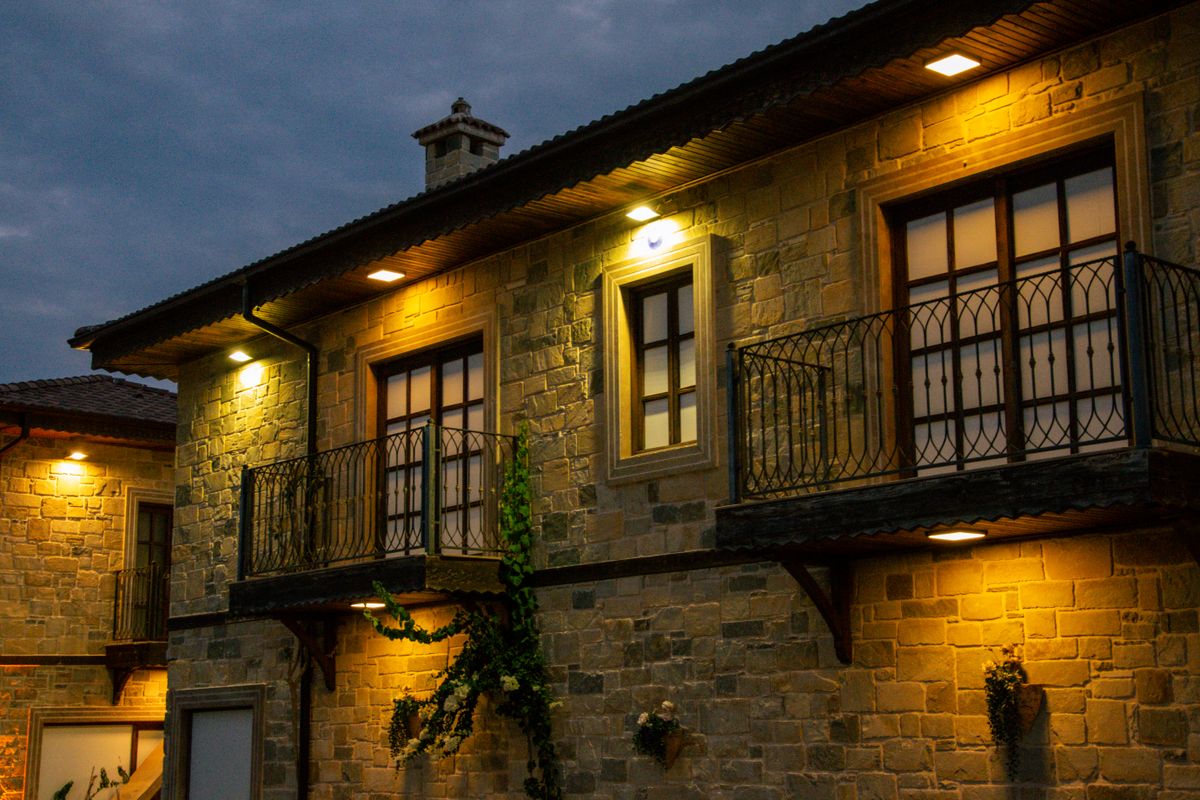
Photo by Anna Klymenko on Pexels
- [ ] Mount IP65 fixtures flush; skip water traps.
- [ ] Brush snow and wipe film off every poly-silicon face.
- [ ] Use motion-sensor mode when charge days are short.
- [ ] Give heatwave lamps airflow, not a sealed niche.
- [ ] Put winter-critical doors on the sunniest walls.
- [ ] Judge 8-10 hour runtime only after a real 6-8 hour fill.
Frequently asked questions
Do solar lights work in winter rain and snow?
Yes on an IP65 wall if the panel is not buried. Runtime follows the charge the short day actually provided.
Will a heatwave kill the battery?
Heatproof housing and airflow protect the 3.7V 2200mAh cell. A sealed soffit is the failure, not summer itself.
Should the lights come down before a storm?
No. They are outdoor IP65 fixtures. Taking them down only skips the next charge.
Is runtime the same in December and June?
Only if the cell was filled. Winter sun is often a shorter fill, so plan on motion-sensor mode.
Can one 4-pack cover every season on every wall?
It can cover four sunlit openings year-round. Walls that never see sky fail in every season.
Related reading
Overnight runtime, charging FAQs, and dusk-to-dawn comparisons sit next to this all-season map.
- will solar outdoor wall lights stay bright all night
- solar outdoor wall lights FAQ on charging and weatherproofing
- dusk-to-dawn solar wall lights compared for perimeter use
What to do next
Walk the house in the worst weather it actually gets. Mount IP65, heatproof Solar Outdoor Wall Lights on the walls that still see sun in that season, brush snow and film off the poly-silicon faces, and set motion-sensor mode when charge days run short. That is all-season performance: a closed housing, a clear panel, and a cell that was allowed to fill.
Cover photo by Anna Klymenko on Pexels.